

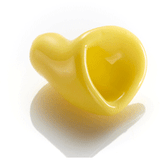




The best night at a gig is one where you can still hear the music clearly and hold a conversation afterwards - without the ringing that follows you home. High fidelity earplugs are designed for exactly that purpose: reducing sound more evenly than basic foam plugs, so music, speech and your surroundings remain natural while the overall volume comes down.
For musicians, venue staff, DJs, motorcyclists and anyone regularly exposed to loud environments, this is more than a comfort upgrade. Noise-related hearing damage is permanent. The right protection makes it far easier to protect your hearing consistently, because it does not force you to choose between safety and enjoying what you are doing.
What are high fidelity earplugs?
High fidelity earplugs are reusable earplugs with acoustic filters that reduce sound across a broad range of frequencies. In plain terms, they turn the volume down without making everything sound muffled, distant or overly bass-heavy.
Traditional foam earplugs can provide substantial protection when inserted correctly, particularly in very noisy workplaces. But their sound is often uneven. Speech can become difficult to understand, music loses detail, and many people remove them when they need to communicate. That defeats the purpose.
A filtered earplug uses a small acoustic channel or filter to manage how sound enters the ear. The goal is a flatter, more balanced reduction. You may still hear the vocalist, the guitar, a safety instruction or your mate beside you, just at a safer level.
This does not mean every high fidelity model offers the same amount of protection. Filter strength, plug design, ear canal fit and correct insertion all affect real-world performance. Always choose protection appropriate to the noise level and task, not simply the product that sounds most comfortable.
When high fidelity earplugs make sense
These earplugs are especially useful when clear sound matters as much as volume reduction. Live music is the obvious example. A concert audience member may want a more enjoyable, less harsh sound, while performers and crew need to hear musical detail, cues and speech over long sets.
They also suit hospitality and venue workers, teachers in noisy settings, fitness instructors, motorsport spectators, commuters, frequent travellers and people who find busy public spaces overwhelming. For people with tinnitus or sound sensitivity, a suitable filtered solution may help make unavoidable noise more manageable. The aim is measured reduction, not shutting out every sound all day.
For a tradie or industrial worker, the decision needs more care. Australian workplace noise exposure requirements are based around an exposure standard of 85 dB(A) averaged over eight hours, with higher noise levels reducing the safe exposure time quickly. Machinery, grinders, saws, plant and impact tools can exceed safe levels by a wide margin.
In these settings, hearing protection must be selected as part of a proper workplace noise-control process. It needs to provide suitable attenuation, fit the worker correctly and support communication without compromising safety. High fidelity earplugs can be useful where awareness and communication are critical, but they are not automatically the right option for every worksite or every task.
High fidelity earplugs versus foam earplugs
Foam earplugs remain practical, affordable and highly useful for short-term or high-noise applications. They are often the sensible choice when contamination is likely, when a worker needs a fresh pair each shift, or when a high level of attenuation is required. Their weakness is that they rely heavily on correct rolling, insertion and expansion. Poor insertion can reduce their protection dramatically.
Reusable high fidelity earplugs offer a different set of benefits. They are generally quicker to insert once you know the fit, produce a clearer sound profile and create less ongoing waste than disposable plugs. For someone attending gigs every fortnight, working in a venue or riding a motorbike most days, that can make them a more comfortable long-term option.
Custom-moulded filtered earplugs take fit a step further. Made from impressions of your ears, they sit securely and consistently in the ear canal. Interchangeable filters may allow different levels of reduction for rehearsal, performance, events or selected workplace activities. The upfront investment is higher, but so are the potential gains in comfort, durability and day-to-day wearability.
The trade-off is simple: custom protection takes time to arrange and must be cared for, while universal reusable plugs are ready to use straight away. The best choice depends on how often you are exposed, how loud the environment is and whether you need dependable communication.
Choosing the right level of protection
Do not assume more attenuation is always better. Overprotecting in a moderate-noise setting can make speech, alarms and situational awareness harder to hear. Underprotecting in a loud environment leaves you exposed. The right balance is based on the actual sound level, duration and the need to communicate.
At a pub gig or festival, a moderate filtered option may be enough to take the edge off sustained amplified music while keeping the experience enjoyable. A drummer, guitarist, DJ or sound engineer may need a different filter level based on stage volume, monitoring and rehearsal time. A rider may prioritise reducing wind roar while still hearing traffic and navigation prompts.
For workplace use, look beyond marketing terms. Check whether the product is suitable for occupational hearing protection and whether it meets relevant Australian Standards or has documented attenuation data. Safety managers should consider noise measurements, the tasks being performed, compatibility with helmets or other PPE, hygiene requirements and individual fit. A generic earplug rating cannot replace a workplace assessment.
Fit is where protection is won or lost
An excellent filter in a poor-fitting earplug will not perform as intended. Universal plugs come in different shapes and tip sizes because ear canals vary. A plug should feel secure without pressure or pain, create a reliable seal and stay in place when you talk, chew or move your head.
If one ear always feels loose, sore or noticeably louder than the other, try a different tip size or design. Do not keep forcing an uncomfortable plug deeper into the ear canal. Apart from being unpleasant, discomfort is one of the main reasons people stop wearing hearing protection before the noise exposure has ended.
Custom-moulded options are worth considering if you wear earplugs for long shifts, frequent performances or regular riding. They can also be a practical choice for people who have struggled with universal plugs falling out or creating pressure points.
Care keeps reusable earplugs effective
Reusable earplugs need basic maintenance, especially when they are used around sweat, dust, makeup or earwax. Wipe them with a clean, soft cloth after use and follow the manufacturer’s cleaning instructions. Store them in their case rather than loose in a pocket, glovebox or the bottom of a gig bag.
Inspect the filters, stems and tips regularly for damage, blockage or changes in fit. Earwax can affect sound and hygiene, so keep the plugs clean without using sharp objects that could damage small acoustic components. Replace removable tips when they become worn, stiff or no longer seal properly.
If you have an ear infection, discharge, pain or sudden changes in hearing, stop using in-ear protection until you have sought appropriate medical advice. Earplugs protect against external noise, but they are not a treatment for ear conditions or tinnitus.
A better habit for loud places
The most effective hearing protection is the pair you actually wear from the start of the exposure to the end. Keep reusable filtered earplugs in the places noise catches you out: your bag, work kit, motorcycle jacket, instrument case or car console. Waiting until your ears feel uncomfortable is waiting too long.
For regular exposure, choose high fidelity earplugs that fit your environment and wear them before the first song, tool start-up or engine run. Your future hearing is worth protecting while clear sound is still part of the experience.