





A single gunshot can create a sound level high enough to damage hearing before you have time to react. That is why a shooting ear protection guide should start with one non-negotiable point: hearing protection is standard range equipment, alongside eye protection and safe firearm handling. Ringing after a session is not something to brush off. It can be a sign that your ears have been exposed to damaging noise.
Noise-induced hearing loss is permanent. It can affect speech clarity, make busy rooms exhausting, and leave you with tinnitus that follows you well after the range has gone quiet. The right protection makes shooting more sustainable, whether you are sighting in a rifle, competing in clay target, training for work, or spending a morning at the local club.
Why firearms demand serious hearing protection
Firearm noise is different from most everyday noise. It is impulsive: a very brief, high-energy sound that can exceed 140 dB at the shooter’s ear, depending on the firearm, calibre, ammunition, barrel length and whether shooting is indoors or outdoors. A short duration does not make it safe. In fact, the sudden peak is exactly what makes gunfire challenging for the ear.
Indoor ranges, covered firing points and hard surfaces can make exposure worse by reflecting sound back towards the shooter. Standing beside other shooters also matters. Even if you are not firing, you are still exposed to every shot on the line.
For Australian shooters, look for hearing protectors that are tested and certified to relevant Australian/New Zealand requirements, including AS/NZS 1270 where applicable. The packaging should show a sound rating, often expressed as SLC80. This rating helps compare products, but it is not a promise that you can simply subtract that number from the noise level of a gunshot. Real-world protection depends heavily on fit, seal, correct use and the shooting environment.
Shooting ear protection guide: plugs, muffs or both?
There is no single best option for every shooter. The right choice depends on your firearm, range conditions, whether you need communication, and whether comfort will keep you wearing the protection properly for the whole session.
Passive earmuffs
Passive earmuffs use sound-attenuating cups and cushions to reduce noise. They are straightforward, visible and easy to put on, making them a practical option for new shooters, visitors and clubs supplying loan equipment.
Muffs can also be a good choice for people who do not like the sensation of an earplug in the canal. The trade-off is bulk. A thick cup can interfere with a rifle or shotgun cheek weld, causing the stock to lift the muff or breaking the seal around the ear. If the cushion lifts, protection drops. Low-profile earmuffs are often more suitable for long-gun shooting, provided they still offer an appropriate rating.
Passive earplugs
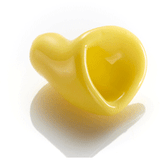
Reusable earplugs sit inside the ear canal, so they do not interfere with cheek weld or safety glasses in the same way muffs can. High-quality reusable plugs are compact, easy to carry in a range bag and often more comfortable in hot Australian conditions.
However, the fit has to be right. A plug that is partly inserted, undersized or gradually worked loose by jaw movement will not provide its intended protection. Foam plugs can be effective when inserted correctly, but many people do not roll and insert them deeply enough. They are also a disposable option that creates ongoing waste and cost.
Custom-moulded earplugs are worth considering for regular shooters. They are made from impressions of your ears for a more secure, repeatable fit. For people who struggle with standard plugs, have uniquely shaped ear canals, or want a long-term reusable option, custom protection can remove much of the guesswork.
Electronic earmuffs and electronic plugs
Electronic hearing protection uses microphones to let through quieter sounds, such as conversation, range commands and movement, while limiting loud impulse noise. This can be especially useful for instructors, competitive shooters, hunters and anyone who needs to stay aware of what is happening around them.
The key is to understand that electronic protection is not an excuse to turn the volume up. Set the ambient sound level so you can hear necessary communication without amplifying every small sound to an uncomfortable level. Check batteries before heading out, and do not rely on a damaged or flat electronic unit as your only protection.
Electronic muffs are popular because they make range communication easier. Electronic custom plugs can offer a lower-profile alternative, though the best choice depends on fit, desired features and budget.
Double protection
For higher-noise situations, using earplugs underneath earmuffs provides an added layer of protection. This is commonly called double protection. It is a sensible approach at indoor ranges, under covered firing lines, during extended sessions, when shooting muzzle brakes, or when standing close to other shooters using centre-fire firearms.
Double protection can make conversation harder, which is where electronic muffs worn over plugs can be useful. You retain a strong physical barrier while still being able to hear range officers and safety instructions at a controlled level.
Fit is where protection succeeds or fails
An excellent-rated product that does not seal properly can underperform a modestly rated product worn correctly. Before every session, check the fit rather than assuming yesterday’s setup is still fine.
With earmuffs, make sure the cushions sit fully around the ears. Hair, beanies, thick sunglass arms, safety-glasses temples and cap straps can create gaps. Thin spectacle arms usually cause less disruption than wide arms, but any gap matters. Replace worn, cracked or flattened cushions because they can no longer seal effectively.
With earplugs, follow the manufacturer’s insertion instructions. For foam plugs, roll them into a narrow cylinder with clean hands, reach over your head to straighten the ear canal, insert deeply, then hold while the foam expands. If a large portion of the plug is visibly sticking out, it may not be inserted far enough. Reusable and custom plugs should feel secure and comfortable, not painful or loose.
Do not share earplugs unless they are specifically designed for hygienic shared use and properly cleaned. Ear protection sits close to sensitive skin and can accumulate wax, sweat and dust from the range.
Match your setup to the way you shoot
A casual clay target shooter outdoors may be well served by a comfortable pair of electronic muffs or fitted reusable plugs. A rifle shooter who finds muffs disrupt their stock position may prefer low-profile muffs, custom plugs, or plugs under low-profile electronic muffs. An indoor pistol shooter should strongly consider double protection due to reflected noise and neighbouring lanes.
For juniors, fit deserves extra attention. Adult-sized muffs can leave gaps around a smaller head, and children may remove protection if it feels heavy or uncomfortable. Choose appropriately sized protection, check the seal regularly and make hearing safety part of the routine before any shooting begins.
Hunters face a different balance. They may need to hear movement, companions and instructions while still being protected from a shot. Electronic protection can help, but safe handling and situational awareness remain the priority. Never assume hearing protection makes a noisy environment risk-free.
Care for your hearing protection between range days
Reusable protection lasts longer and performs better when looked after. Wipe earmuff cushions and earplug surfaces with a clean, lightly damp cloth or use the approved cleaning method for the product. Let them dry fully before storing them in a clean case. Avoid leaving muffs in a hot vehicle, where heat can degrade cushions and electronics over time.
Inspect your equipment for tears, stiffness, loose parts, blocked filters and fading batteries. Replace components as recommended by the manufacturer. If your custom plugs no longer seal well, feel uncomfortable, or have changed fit after dental work, weight changes or ear surgery, arrange a review. Ears can change over time.
If you leave a range with muffled hearing, ringing or a feeling of fullness, give your ears quiet time and seek advice from a qualified hearing professional if symptoms persist. Do not wait for a problem to become your new normal.
Hearsafe Australia can help regular shooters choose reusable or custom hearing protection suited to their firearm use, fit needs and communication requirements. The best protection is the pair you can wear correctly, comfortably and every time the action starts.