





A busy café, a leaf blower next door, the clatter of plates at lunch or bass from a pub can feel like more than an annoyance when you are noise-sensitive. For some people, sound quickly becomes exhausting, painful or impossible to ignore. This noise sensitive adults guide focuses on practical ways to reduce overload without withdrawing from work, social life or the activities you enjoy.
Noise sensitivity is not a character flaw, and it is not solved by simply “getting used to it”. The right approach depends on the sound, how long you are exposed, whether you need to communicate, and whether your goal is comfort, sleep or protection from potentially damaging noise.
Start by separating discomfort from hazardous noise
Not every sound that feels unbearable is loud enough to damage hearing. Equally, some sounds that seem normal on a worksite, at a gig or while riding a motorbike can reach harmful levels over time. Both situations deserve attention, but the solution is not always the same.
Sensory overload is often about unpredictability, competing sounds, sharp frequencies or lack of recovery time. A packed office can be difficult because of constant conversation, phones and meeting-room noise, even if it is not especially loud. In contrast, power tools, machinery, firearms and amplified music may create a genuine hearing risk, particularly with repeated exposure.
Hearing damage is permanent. Good hearing protection reduces the sound reaching your ears, but it should also suit the activity. Blocking too much sound in the wrong setting may make communication, awareness or concentration harder. That is why one pair of generic foam earplugs rarely suits every part of life.
Notice your personal noise pattern
Before buying another pair of earplugs, pay attention to what sets off your discomfort. For a week or two, make a simple note on your mobile: where you were, what the sound was like, how long you were exposed and how you felt afterwards.
You may find that sudden, high-pitched sounds are the main issue. Or perhaps it is cumulative exposure: a noisy commute, an open-plan office and a loud gym leave you depleted by dinner. This pattern helps you choose a realistic strategy instead of trying to avoid all sound.
It is also useful to distinguish between situations where you need quiet and those where you need clearer sound at a safer level. A light sleeper may want soft, comfortable earplugs for bed. A musician, venue worker or gig-goer usually needs reusable hearing protection that turns the volume down while keeping speech and music more natural. A tradie needs protection appropriate for workplace hazards and the task at hand.
Build quieter routines without shrinking your life
Small changes can lower the daily load before you reach the point of overload. Choose a quieter table away from coffee machines and speakers. Do your supermarket shop at a less busy time. Take a short reset in a calm space between meetings. At home, close windows during predictable neighbourhood noise, use soft furnishings to reduce echo, and move noisy chores to times when you have more capacity.
Planning matters more than perfection. If you know a family lunch will be at a busy venue, arrive early, choose an outside table away from the music, and give yourself permission to step out for five minutes. If commuting is draining, consider whether a different carriage, route or travel time makes a difference.
Avoid using earplugs every waking hour solely to create silence. Over-protecting in low-noise settings can make ordinary sound feel even more intrusive for some people. Reserve protection for genuinely noisy environments, sleep, travel, focused work or times when you need a deliberate sensory break. If everyday sound tolerance is worsening, personalised advice from an appropriate health professional can help identify what is contributing.
Choosing earplugs for noise-sensitive adults
The best earplugs are the ones you can wear correctly and comfortably when you need them. Fit is not a minor detail. Earplugs that press, slip out or create an unpleasant plugged-up sensation tend to stay in a drawer.
For sleep and travel
Sleep earplugs need to be comfortable enough for side sleeping and stable enough to remain in place overnight. They can help reduce disruptive environmental noise such as traffic, snoring, hotel corridors and early-morning birds. They cannot guarantee complete silence, and alarms, children or urgent household sounds still need consideration.
For flights, trains and hotels, reusable earplugs can take the edge off the steady hum and chatter that make travel tiring. Pair them with a practical plan: reserve a quieter seat where possible, keep your itinerary less crowded after a long journey, and allow time to decompress.
For work and noisy hobbies
If you work around machinery, tools or industrial noise, hearing protection should be selected as part of your workplace safety requirements. Comfort is essential because protection only works when it is worn consistently. For teams, a workplace assessment and properly fitted options can make compliance more achievable than handing out one-size-fits-all disposables.
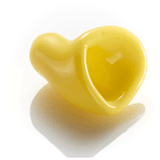
Custom-moulded earplugs are made from impressions of your ears, providing a secure, repeatable fit for many users. They are particularly useful where protection is worn for long shifts, where reusable equipment reduces ongoing disposable waste, or where workers need to communicate without removing their earplugs. On-site acoustic leakage testing can also check the fit and seal of custom-moulded earplugs, giving workplaces useful confidence that the plugs are sealing as intended.
For music, venues and social events
At concerts, rehearsals, clubs and sporting events, ordinary foam plugs can make music sound muffled and conversation difficult. Musicians’ earplugs and purpose-designed reusable filters aim to reduce sound more evenly, so the experience remains clearer while volume is lowered.
This is a trade-off worth taking seriously. You may still notice the energy of the room, but your ears are not absorbing the full force of the speakers for hours. Step outside for regular quiet breaks, avoid standing directly beside speakers, and give your ears recovery time after a loud event.
Use hearing protection properly
Even premium earplugs cannot do their job if they are poorly inserted or poorly maintained. Read the fitting instructions, practise putting them in before the day you need them, and check that the sound reduction feels even in both ears.
Reusable earplugs need regular cleaning and safe storage. Earwax, moisture and damage can affect comfort, hygiene and fit. Keep them in their case, clean them according to the manufacturer’s directions, and replace parts or seek advice if they become cracked, hard, loose or uncomfortable. Do not share earplugs.
For custom products, your ear shape and ear health can change over time. If a plug that once sealed well begins to feel loose or uncomfortable, it is worth having the fit reviewed rather than accepting reduced protection.
When noise sensitivity needs medical attention
Hearing protection supports prevention and day-to-day comfort, but it does not diagnose or treat the cause of sound sensitivity. Arrange prompt medical advice if you experience sudden hearing changes, severe ear pain, dizziness, drainage from the ear, or a sudden new one-sided ringing sound.
Persistent noise sensitivity can occur alongside tinnitus, migraine, stress, sensory processing differences, ear conditions or hearing changes. A GP or qualified hearing health professional can advise on the right next step. The aim is not to dismiss your experience or force exposure to sounds that are distressing. It is to understand the pattern while keeping your hearing protected.
A practical next step
Choose one environment that causes the most trouble this week: your bedroom, commute, workplace, rehearsal room or regular social venue. Then choose protection designed for that setting, wear it correctly, and pay attention to whether you recover better afterwards. The right hearing protection should help you stay involved in the parts of life that matter, with less strain on your ears and your energy.
For ongoing noise exposure or a need for a more secure long-term fit, consider custom-moulded hearing protection matched to how and where you use it.