

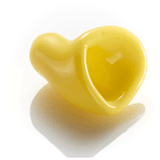




A foam earplug used for one shift, one gig or one night of sleep can feel like a small piece of rubbish. Multiply that by a crew, a touring season or years of restless nights, and it adds up quickly. Sustainable alternatives to foam earplugs reduce that waste, but their real value is more personal: they can provide dependable protection that people are genuinely comfortable wearing.
Foam plugs still have a role. They are inexpensive, easy to issue in bulk and useful as a short-term backup. But they are single-use, difficult to recycle once worn, and highly dependent on being rolled and inserted correctly. A plug that sits too shallowly, works loose under a helmet, or becomes uncomfortable after an hour is not delivering the protection it was selected for.
Reusable and custom-moulded earplugs take a different approach. They are designed around the noise, activity and wearer, with a longer service life and far less throwaway material. The best choice depends on whether you are protecting a team on a worksite, preserving music clarity at a venue, blocking wind on the bike, sleeping beside a snorer, or keeping water out while swimming.
Why disposable foam creates more than a waste problem
Foam earplugs are usually made from soft polyurethane or PVC foam. Once they have been compressed, exposed to earwax and sweat, or dropped in dust and dirt, they are not something most people can clean and reuse hygienically. They go in the bin.
There is also the fit issue. Foam needs time to expand in the ear canal, and the wearer needs enough technique to position it properly. In a noisy workshop, at a festival gate, or when someone is tired at the end of a shift, that technique is not always consistent. One-size-fits-most does not mean one fit works well for everyone.
For employers, frequent replacement also creates an ongoing purchasing and stock-management task. For individuals, it can mean reaching for foam because it is available, even when the activity calls for better speech awareness, a lower-profile fit or protection that stays secure under other gear.
Sustainable alternatives to foam earplugs
Reusable universal-fit earplugs
Reusable earplugs are typically made from durable silicone or thermoplastic materials and can be cleaned between uses. Many use flexible flanges or interchangeable tips to suit different ear canal sizes. They are a practical step up from disposable foam for commuting, travel, general workplace noise and occasional events.
Their environmental advantage is simple: one pair can replace many sets of foam plugs when cared for correctly. They are also easy to keep in a case in a work bag, glovebox or bedside drawer.
The trade-off is that universal-fit plugs remain a standard shape. Some people get an excellent seal; others find they shift during movement or create pressure after extended wear. They are often best for lower-risk or intermittent use, provided the product is suitable for the noise environment and worn as directed.
Filtered earplugs for music and social noise
A loud pub, club, rehearsal room or concert presents a different problem from a grinder or demolition saw. You may need to reduce the overall sound while still hearing vocals, cues, conversation and the character of the music. Solid foam can make sound feel muffled, which is why people often remove it halfway through the night.
Filtered reusable earplugs are made for this situation. Their acoustic filters reduce sound more evenly than basic plugs, helping music and speech remain more natural while lowering the overall exposure. For musicians, DJs, venue staff and regular gig-goers, a reusable filtered design can make hearing protection far easier to wear consistently.
Look for a product with a stated SLC80 rating where relevant, and choose the level of attenuation for the venue and your role. More reduction is not automatically better if it prevents a musician from hearing cues or a venue worker from communicating safely.
Custom-moulded earplugs
Custom-moulded earplugs are the longest-term option for people who wear hearing protection often. An impression of each ear is taken, then plugs are made to match the unique shape of the ear canal and outer ear. The result is a secure, low-profile fit that is less likely to move when talking, chewing, wearing a helmet or working physically.
For frequent users, custom protection can be the most sustainable choice because it is built for repeated use over years rather than days. It also removes much of the guesswork around fit. That matters in industrial settings, where a poor seal can undermine a carefully chosen hearing conservation program.
Custom plugs can be made with filters selected for industrial noise, music, motorsport and other applications. They are not interchangeable in purpose, however. A set designed to preserve musical detail may not be the right selection for a high-noise work task. Choose based on the actual environment, not just comfort or appearance.
Hearsafe Australia offers a national pathway for custom ear impressions through partnered professionals, with on-site workplace fittings available in Perth and selected regional WA settings. For workplaces using custom protection, acoustic leakage testing can help confirm whether the plug has achieved an effective fit and seal.
Reusable plugs for sleep, travel and water
Noise protection is not only for jobs and concerts. Light sleepers may use soft reusable plugs to manage household noise, traffic or a partner's snoring. Frequent travellers may want plugs that reduce cabin noise and make rest easier. Swimmers and surfers may need reusable water-protection plugs that help keep water out rather than simply reducing sound.
These are separate use cases, and the material and shape matter. A sleeping plug should be soft enough for side sleeping. A swimming plug needs secure water resistance. A plug intended for noise is not automatically suitable for water, and water plugs should not be relied on as certified hearing protection in a noisy workplace.
How to choose a lower-waste earplug that you will wear
Start with the source of noise and how long you are exposed. A tradie running power tools, a bar worker on a late shift, a motorcyclist dealing with wind noise and a parent trying to sleep each need something different. Think about communication, other PPE, comfort, hygiene and how often the earplugs will be used.
For workplace use, the product needs to be appropriate for the hazard assessment and compatible with site requirements. Check the stated SLC80 rating rather than relying on vague claims about noise reduction. If a team is moving from foam to custom plugs, fit and seal verification is particularly valuable because individual fit is central to real-world performance.
For personal use, consistency is the test. If you leave the plugs at home, take them out because they hurt, or cannot hear enough to feel safe, the product is not a good match. A durable pair kept in a protective case is generally more sustainable than repeatedly buying disposable options that are used reluctantly.
Care determines whether reusable plugs stay sustainable
Reusable earplugs only reduce waste if they are maintained. Clean them according to the manufacturer's instructions, allow them to dry fully and store them in their case away from heat, dust and loose items in your bag. Inspect them regularly for tears, hardening, damaged filters or a change in fit.
Do not share earplugs between people. Earwax and moisture make that unhygienic, even when the plugs appear clean. If you work in a dirty environment, keep a separate clean case so your plugs are not thrown loose into a tool bag or ute console.
Custom-moulded plugs also need periodic inspection. Ears and ear canals can change over time, and a plug that no longer feels secure may no longer seal as intended. Reassess fit after significant changes, damage or long periods without use.
The practical case for moving beyond foam
The most sustainable earplug is not simply the one made from the most durable material. It is the one that is appropriate for the noise, worn correctly every time, maintained properly and replaced only when necessary. For a one-off emergency, foam may still be sensible. For regular work, music, riding, sleep or travel, reusable and custom options can reduce waste while making hearing protection easier to live with.
Your hearing does not regenerate after noise damage. Choose earplugs that suit the environment you are actually in, keep them clean and close at hand, and make protection part of the routine rather than an afterthought.