



A busy supermarket checkout, a hand dryer in a public toilet or a meeting in a loud open-plan office can be more than irritating when you have sensory sensitivity. For some NDIS participants, these everyday sounds can cause distress, fatigue, pain, shutdowns or a reduced ability to take part in work, study and community life. NDIS sensory accommodations can help reduce those barriers when they are connected to a participant’s disability-related needs and goals.
Hearing protection is not a one-size-fits-all answer. The right option depends on the sound environment, how often it is used, whether speech still needs to be heard and what a person can comfortably tolerate. The aim is practical support: making daily life more manageable without creating new problems.
What are NDIS sensory accommodations?
Sensory accommodations are adjustments, equipment or supports that help a person manage sensory input and participate more safely and comfortably. They can relate to sound, light, touch, movement, smell or crowded environments. For people affected by noise sensitivity, accommodations may include planning quieter routines, using communication supports, accessing low-sensory spaces and, where suitable, using hearing protection.
The NDIS considers supports in the context of an individual participant. A product being helpful does not automatically mean it will be funded. Decisions can depend on whether the support is related to disability, represents value for money, is likely to help pursue goals and is not more appropriately funded by another system or expected as an everyday expense.
That is why the strongest approach starts with function, not a product name. Describe what noise makes difficult, where it occurs and how an accommodation changes participation. For example, the relevant issue may be that unpredictable office noise prevents someone from sustaining work tasks, or that public transport noise makes it hard to attend appointments independently.
When sound protection may be a useful accommodation
Noise-reducing earplugs can be useful for participants who find particular environments overwhelming, especially where there is frequent or unavoidable sound exposure. They may support attendance at community activities, travel, work, education, events or shared living environments.
However, the right solution changes with the setting. A person who needs relief from intermittent conversation and office equipment may need a different approach from someone attending loud live music, working near machinery or travelling on a motorcycle. Blocking as much sound as possible is not always the best outcome. In many everyday situations, a participant still needs to hear a support worker, an announcement, traffic cues, a colleague or an alarm.
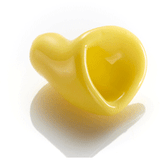
This is where reusable, filtered earplugs can be worth considering. Depending on the model and filter selected, they are designed to lower sound while keeping speech and the character of music clearer than basic foam plugs. For people who need a consistent, comfortable option for regular use, custom-moulded earplugs may also be appropriate. They are made from impressions of the wearer’s ears, which can improve stability and comfort for some people.
There are trade-offs. Custom protection takes more planning and requires ear impressions, while reusable universal-fit products can be a quicker option. Some participants dislike the sensation of anything in the ear, particularly at first. Others may need a small, discreet option that can be carried in a case and used only when a noisy situation arises.
Match the accommodation to the real environment
A useful sensory plan is specific. Rather than writing that a participant needs earplugs for “noise”, identify the situations that create the barrier and what participation looks like after the support is in place.
Work, training and study
Open offices, workshops, classrooms and training rooms can combine conversation, equipment noise, hard surfaces and sudden interruptions. Someone may be able to complete tasks at home but struggle to concentrate on site. Hearing protection can form one part of an accommodation plan alongside quieter seating, scheduled breaks, written instructions or advance notice of noisy activities.
For industrial settings, hearing protection must be suitable for the risk. Participants and employers should use products with an appropriate rated SLC80 and follow workplace safety requirements. Sensory comfort matters, but it should never mean compromising on required protection where hazardous noise is present.
Community access and travel
Shopping centres, public transport, sporting venues and events can be demanding because sound levels shift quickly and there is little control over the environment. A participant may benefit from keeping a reusable pair accessible in a pocket, handbag or travel case. This can make it easier to stay at an appointment, complete essential shopping or travel with less distress.
At the same time, earplugs should not be treated as a substitute for safe planning. Take care near roads, platforms, crossings and other situations where hearing surroundings matters. A participant may choose to use protection during the loudest parts of a journey, rather than wearing it continuously.
Home and sleep
Household noise, neighbours, shift-work routines and shared accommodation can affect rest. Sleep-specific earplugs may help some people, but they need to be comfortable for side sleeping and used with awareness of essential alarms. A vibrating alarm, visual alert or agreed household routine may be part of the broader solution where sound reduction affects the ability to hear an alert.
Building a clearer case for NDIS sensory accommodations
When discussing sensory accommodations with a support coordinator, plan manager, allied health professional or the NDIA, detail is more helpful than broad statements. Keep a short record over a few weeks: the setting, type of sound, response, impact on an activity and what helped.
For instance, instead of saying, “Loud places are hard”, explain that a participant leaves a weekly class early after hand dryers, overlapping voices and scraping chairs trigger distress, resulting in missed learning and reduced social contact. Then describe how a suitable hearing protection option, used with planned breaks, could support attendance for the full session.
Evidence may be stronger when it is linked to goals in a participant’s plan. Relevant goals could include maintaining employment, studying, travelling independently, joining social activities or managing a daily routine with less support. An occupational therapist or other appropriate treating professional may be able to explain the functional impact of sensory processing differences and why a particular support is recommended.
Be accurate about what is being requested. If the need is for a durable, reusable solution used regularly in defined environments, say so. If a custom fit is needed because universal earplugs fall out, cause discomfort or are not practical for consistent use, document that experience. Avoid assuming that a more expensive option will be considered necessary simply because it is premium. The case should rest on function, suitability, durability and the participant’s individual circumstances.
Choosing ear protection that someone will actually use
The best hearing protection is the one that is safe for the setting and comfortable enough to be worn consistently. Poor fit can lead to sound leaks, irritation and abandonment. Foam plugs can be useful in some high-noise situations, but they rely on correct insertion and are not always comfortable or convenient for sensory-sensitive users. They are also disposable, which can create ongoing waste.
Reusable earplugs offer a practical alternative for many daily noise situations. Custom-moulded options provide a fit shaped to the ear and can be particularly useful where a participant wears protection for long periods, needs reliable retention or has found standard plugs difficult. Filtered options may suit environments where communication remains important.
Cleaning and storage matter too. A reusable product should be kept in its case, cleaned according to its instructions and checked for wear. If an earplug becomes damaged or no longer fits correctly, it may not perform as intended.
Hearsafe Australia is a registered NDIS Provider and can help participants consider hearing protection options suited to noise sensitivity and their intended environment. Ear impressions for custom products are available nationally through partnered audiologists and registered nurses, with workplace fitting services also available in Perth and selected regional WA locations.
Avoid over-relying on silence
For some people, reducing sound is immediately calming. But wearing high-level protection all day in ordinary environments may not be the right long-term approach for everyone. It can make communication harder, reduce awareness of the environment and, for some people, increase sensitivity to normal sounds over time.
This does not mean a participant should push through distressing noise. It means hearing protection should be used thoughtfully, at the times and in the places where it makes the greatest functional difference. An occupational therapist or treating professional can help develop a wider sensory strategy where needed.
A well-chosen accommodation is not about withdrawing from life. It is about making the next train trip, work shift, family gathering or community activity feel possible enough to take part.