


A grinder starts up beside you. The band kicks in before you have found your spot near the stage. Your headphones are competing with a train carriage, a plane cabin or a noisy open-plan office. These are the moments when a safe listening levels guide becomes useful - not as a reason to stop doing what you enjoy, but as a way to keep doing it without gambling with your hearing.
Noise-induced hearing damage can be permanent. It can build gradually, which is why people often miss the warning signs until conversation becomes harder to follow, everyday sounds feel less clear, or ringing in the ears becomes familiar. The practical answer is not to avoid every loud environment. It is to understand dose: how loud the sound is, how long you are exposed, and how well your hearing protection suits the job.
Safe listening levels guide: think volume and time
Sound is measured in decibels, or dB. The decibel scale rises quickly, not evenly, so a small increase on a volume display can represent a major increase in sound energy. That is why turning something down just a little can make a meaningful difference to your daily exposure.
In Australian workplaces, the commonly used noise exposure standard is 85 dB(A), averaged across an eight-hour shift, with a peak limit of 140 dB(C). This is not a line between harmless and harmful sound. It is an exposure limit that recognises duration matters. As sound gets louder, the time you can be exposed before risk increases gets much shorter.
Outside work, the same principle applies. A short burst from a siren or power tool is different from hours of loud music in earbuds. A weekend of rehearsals, club shifts, motorsport, shooting or riding can add up too. Hearing does not reset simply because the exposure happened for fun rather than on the clock.
A useful rule is this: if you need to raise your voice to talk to someone an arm's length away, the environment may be loud enough to deserve attention. If your ears feel muffled, tired or ring after leaving, treat that as feedback, not a normal part of a good night out or a hard day's work.
Start with the noise you can control
The strongest hearing protection plan does not rely on earplugs alone. First, reduce noise at its source where possible, increase your distance from it, and limit the time you spend in the loudest area. This is particularly relevant for employers, supervisors and safety managers. A quieter tool, better maintenance, barriers or a changed work process can protect an entire crew.
For individuals, small decisions matter. Stand away from speaker stacks at a gig. Take a quiet break between sets. Use noise-cancelling headphones on a flight or commute so you do not feel compelled to push the volume higher. On a motorbike, reduce wind noise with a helmet that fits correctly and hearing protection designed for riding.
There is a trade-off here. Reducing volume or stepping outside may feel inconvenient, especially when you are working, performing or socialising. But the alternative is often repeated exposure that cannot be undone. Good protection should make the safer choice easier, not isolate you from the experience.
Your mobile's volume is not a safety rating
A mobile's volume bar is only a rough guide. The actual sound reaching your ears depends on the headphones, their fit, the track or app, and the noise around you. Earbuds that leak sound in a busy environment often encourage higher listening levels than well-sealed headphones or earphones.
Use the lowest volume that lets you hear clearly. If you are regularly listening for long periods, build in quiet time rather than treating maximum volume as the default. Parents can apply the same approach to children and teenagers, particularly when headphones are used for gaming, travel and study.
Match protection to the environment
One-size-fits-all foam plugs can be useful for occasional noise, but they are not always the most comfortable or practical option for repeated use. If they are hard to insert, feel uncomfortable after an hour, fall out, or make communication impossible, people often remove them. Protection only works when it is worn properly and consistently.
For work, choose hearing protection that is suitable for the measured or expected noise level and the task. Look for products certified to the relevant Australian and New Zealand Standard, with a declared SLC80 rating. The SLC80 is the rating used to help select appropriate hearing protection in Australian settings. More attenuation is not automatically better if it prevents workers from hearing instructions, alarms or nearby hazards, so selection should reflect the risk assessment and the work being done.
For music, musicians' earplugs use filters to reduce sound more evenly than basic plugs. That can help preserve the balance of music and speech while lowering the overall level. They are a practical option for performers, DJs, venue staff and regular gig-goers who want protection without turning music into a muffled blur.
For sleep, travel, swimming and sensory overload, the priority may be different again. Softness, pressure comfort, water sealing or reducing specific disruptive sounds may matter more than the strongest available attenuation. The best product is the one designed for your real environment and worn as intended.
Why fit changes everything
The gap between a hearing protector's packaging and its real-world performance is often fit. Disposable foam plugs need to be rolled, inserted deeply and held in place while they expand. A plug sitting loosely at the entrance of the ear canal offers far less protection than one fitted correctly.
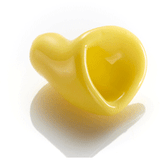
Reusable and custom-moulded earplugs can be easier to place consistently, particularly for people who wear protection through long shifts, rehearsals or frequent travel. A custom fit can also reduce pressure points and improve retention, which matters when you cannot keep readjusting your plugs with dirty hands, gloves or a helmet on.
Custom protection is an investment, so it is worth being clear about the benefit: it is not a magic shield against unlimited noise. It is a more comfortable, durable and repeatable way to manage exposure when it is selected for the right purpose. It may also reduce the waste created by constantly replacing disposable plugs.
Build quiet into your routine
Hearing protection works best as a habit rather than an emergency purchase. Keep earplugs where the noise happens: in your work bag, instrument case, bike jacket, glovebox or bedside drawer. If you only remember them after the generator starts or the support act comes on, it is already harder to make the safer choice.
At work, supervisors can make this easier by providing appropriate options, teaching correct insertion, replacing worn protectors and setting clear expectations around noisy tasks. Workers should be able to flag comfort or communication issues without being told to simply put up with them. An uncomfortable protector is a compliance problem waiting to happen.
At home and during recreation, make quiet breaks part of the plan. Move away from the speakers before your ears feel fatigued. Give yourself recovery time after a loud shift or event. Avoid stacking exposures where you can - for example, a long headphone session straight after a day with loud tools.
Know when to take symptoms seriously
Ringing, buzzing, muffled hearing, sound sensitivity or difficulty following conversation in background noise can have different causes. After loud sound, these symptoms may settle, but they should never be brushed off as proof that you are used to noise.
If ringing or altered hearing persists, suddenly appears, occurs in one ear, or is accompanied by dizziness, pain or a feeling of blockage, seek advice promptly from a qualified health professional. Prevention remains the most reliable protection because once hearing is damaged, there is no earplug that can restore it.
For workplaces and people with regular noise exposure, review your protection before it becomes urgent. Consider where the noise occurs, how long it lasts, whether you need to communicate, and whether your current plugs are genuinely comfortable enough to wear every time.
Hearsafe Australia can help Australians choose purpose-built reusable and custom hearing protection, with ear impression appointments available nationally through partnered professionals. The most useful starting point is simple: protect your ears before the noise starts, and make that choice as routine as putting on a seatbelt.