

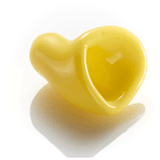




The best earplugs for festival season do more than make a headline act quieter. They reduce the sound levels that can damage hearing while letting you stay connected to the music, your mates and the atmosphere that makes a festival worth attending. If you leave a set with ringing ears, muffled hearing or a feeling of pressure, your ears have had more noise than they can safely handle.
Festival noise is not a one-song problem. It is hours of amplified music, crowd noise, generators, late-night DJs and sometimes a noisy trip home. Hearing damage from excessive sound exposure is permanent, but hearing protection gives you a practical way to enjoy the season without accepting that risk as part of the experience.
What makes the best earplugs for festival season?
For music, the goal is not simply to block as much sound as possible. Standard foam earplugs can be useful when nothing else is available, but they often make music sound dull, muddy and distant. That is a poor trade-off when you have paid to hear a live performance.
The better choice for most festival-goers is a high-fidelity reusable earplug designed for music and venues. These use acoustic filters to lower volume more evenly across frequencies. In plain terms, the music remains clearer and more balanced than it does with basic foam plugs. You should still hear vocals, rhythm and conversation nearby, only at a safer and more comfortable level.
Look for an earplug that has an SLC80 rating suitable for your expected noise exposure. SLC80 is the Australian measure used to indicate the protection a hearing protector can provide when correctly fitted. The rating matters, but fit matters just as much. An earplug that leaks around the edge cannot deliver the protection it was designed to provide.
Comfort is equally important. Festival earplugs need to stay comfortable through long sets, changing weather, movement and hours of wear. Reusable models made from soft materials are generally easier to wear than foam for extended periods, particularly if you need to take them in and out throughout the day.
Reusable filtered earplugs: the practical starting point
For occasional gigs, day festivals and first-time buyers, reusable filtered earplugs are usually the most practical starting point. They are compact, washable and easy to keep in a pocket, bag or on your keyring. Most importantly, they are built for listening, rather than simply shutting out sound.
Choose a reusable music earplug when you want a straightforward option that is ready to use and you do not need a personalised fit. They suit festival attendees, venue staff, bartenders, photographers and friends who regularly find themselves close to speakers.
The trade-off is that universal earplugs are made to fit many ear shapes, not your ear shape alone. Some people get an excellent seal immediately. Others need to try different tip sizes or find that one ear seals better than the other. Take the time to test them before festival day. Wear them at home with music playing, practise inserting them correctly and make sure they remain secure when you talk and move your jaw.
Do not wait until the main stage is roaring to discover that your earplugs are sitting loosely. If the fit feels unstable, the protection will be less reliable and you will be tempted to remove them halfway through the set.
When custom-moulded earplugs are worth it
If festivals, gigs, rehearsals or venue work are a regular part of your year, custom-moulded earplugs are a serious long-term investment. They are made from impressions of your ears, creating a secure fit that is far less likely to shift while you sing along, dance, wear a hat or spend a long day moving between stages.
Custom musician earplugs can also be fitted with interchangeable filters, allowing you to choose protection appropriate to the environment. That flexibility is valuable for musicians, DJs, sound crew, event staff and frequent concert-goers who experience different sound levels across their week.
The key advantage is consistency. A custom earplug is shaped for your ear canal, which supports comfort and a dependable acoustic seal when it is inserted properly. Hearsafe Australia can arrange ear impressions through partnered audiologists and registered nurses nationally, so custom protection is not limited to people near one capital city. Perth metro and regional WA workplaces can also arrange on-site fitting support where appropriate.
Custom products take more planning than buying a universal pair before the weekend. They are best arranged ahead of a busy festival calendar, rather than the day before you pack the tent. In return, they offer durability, reusability and a fit designed around your own ears instead of an average.
Match your earplugs to how you festival
There is no single best choice for every person. Your role, the style of event and how often you are exposed to loud music should guide the decision.
A casual attendee at a one-day event may be well served by reusable filtered earplugs with multiple tip sizes. Someone attending several festivals, standing near the front barrier or experiencing regular gigs should consider a higher-quality music filter and prioritise fit. A musician or DJ needs protection that preserves detail, timing and communication, making custom filtered earplugs particularly worthwhile.
Venue workers and festival crew should think beyond a single shift. Their exposure can include sound checks, performances, pack-down, generators and radios. A reusable or custom solution that remains comfortable for a full workday is more realistic than relying on disposable foam plugs that are inserted inconsistently or removed to communicate.
If you already live with tinnitus, noise sensitivity or reduced tolerance for loud environments, do not assume you have to stop attending live music. You may need a more considered protection choice, careful positioning away from speaker stacks and regular quiet breaks. Earplugs cannot cure tinnitus or reverse hearing damage, but reducing further excessive noise exposure is a sensible protective step.
Fit changes everything
Even a well-designed earplug cannot protect you properly if it is only partly inserted. Clean hands first, then follow the fitting instructions for the product. For many reusable plugs, gently pulling the outer ear up and back can help align the ear canal before insertion. The plug should feel secure, not painful or forced.
A proper fit generally makes surrounding sound quieter without creating a loose, hollow feeling. If one earplug keeps working its way out, try another tip size if your product includes options. Ear canals are not always identical, so it is normal for each ear to need a different size.
With custom-moulded earplugs, fit and seal can also be checked using acoustic leakage testing. This assesses whether the earplug is sealing as intended, helping users and workplaces confirm that a custom device is providing the expected fit. It is especially useful when hearing protection is worn regularly in demanding environments.
Festival habits that protect your hearing further
Earplugs work best alongside sensible choices, not as permission to stand directly in front of a speaker stack all day. Give yourself some distance from major sound sources where possible, particularly at smaller stages where speakers may be close to the crowd.
Take quiet breaks between sets. Step away from amplified areas, sit somewhere calmer and give your ears a chance to recover from constant sound. It also helps to put your earplugs in before the music gets loud, rather than waiting until your ears are already uncomfortable.
Keep a protective carry case with you. Earplugs dropped into the bottom of a bag collect dust, lint and damage. After use, clean reusable plugs according to their care instructions and allow them to dry before storing them. Regular care keeps them hygienic, comfortable and ready for the next event.
Avoid the common mistake of removing earplugs because you think they are affecting the experience. A correctly chosen filtered earplug should let you hear the performance with greater comfort, especially as the day goes on. The adjustment period is real, but most people quickly notice how much less fatigued their ears feel after a long event.
Do not make ringing ears part of the ticket price
Temporary ringing or muffled hearing after a festival can feel normal because it is common. It is not a sign that your ears have become stronger. It is a warning that they have been overloaded by sound.
Choose music-specific hearing protection before the gates open, carry it with you and wear it from the first loud set. Explore Hearsafe Australia’s music and venue hearing protection options to find reusable and custom solutions suited to the way you enjoy festival season.