

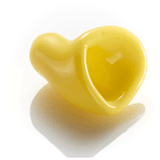




A long-haul flight can leave your ears feeling blocked, tired and overstimulated before you have even collected your luggage. The best top hearing protectors for travel are not simply the ones that block the most sound. They need to suit the noise you face - aircraft cabin rumble, crying children, hotel corridor traffic, loud public transport or pressure changes during take-off and landing - while remaining comfortable enough to wear for hours.
For frequent travellers, the right earplug can protect sleep, reduce fatigue and make journeys feel more manageable. The right choice depends on whether your main problem is noise, pressure, sensory overload or a combination of all three.
Why travel noise deserves more attention
Travel noise is rarely one dramatic sound. More often, it is a constant layer of low-frequency engine noise, announcements, rolling luggage, conversations and traffic. While a single flight or train trip may not seem concerning, repeated exposure to loud environments can add up, particularly for frequent flyers, crew, touring musicians and workers travelling between sites.
Noise is not only about hearing damage. Constant sound can make it harder to rest, concentrate or regulate stress levels. If you already experience tinnitus, noise sensitivity or disrupted sleep, a noisy journey can be particularly draining.
Hearing protection is a practical preventative measure, but travel earplugs should not cut you off completely. You may still need to hear boarding calls, alarms, staff instructions or the person beside you. That is why fit, filter design and comfort matter as much as attenuation.
Top hearing protectors for travel by situation
For flights and pressure changes
Aircraft cabin pressure changes can be uncomfortable, especially for travellers prone to ear pain or a blocked-ear sensation. Pressure-regulating earplugs are designed to slow the rate at which air pressure changes at the ear canal. They can be useful during ascent and descent, although they are not a treatment for an ear infection, severe congestion or an underlying ear condition.
Use them as directed and insert them before take-off and before descent, rather than waiting until discomfort has already started. If you are travelling with a cold, sinus issue or ongoing ear pain, seek advice from an appropriate health professional before flying.
For travellers who mainly want to soften cabin noise, reusable filtered earplugs may be the better option. They reduce the overall noise level without creating the fully sealed, isolated feeling some people dislike on flights.
For sleeping on planes, trains and in hotels
Sleep is where many travel earplugs fail. A plug may reduce sound well but become painful when your head is against a plane headrest or hotel pillow. Soft, low-profile reusable earplugs are often a better choice for side sleepers than bulky designs.
Disposable foam plugs can be effective when inserted correctly, but they are not always ideal for travel. They can be difficult to fit consistently, easily collect dirt in transit and are designed for limited use. For regular travellers, washable reusable earplugs create less waste and offer a more dependable routine.
Custom-moulded sleep earplugs are worth considering if you travel often, struggle with hotel noise or find universal plugs uncomfortable. Because they are shaped to your ears, they can provide a secure, low-profile fit for overnight wear. The trade-off is that custom protection requires ear impressions and is best suited to people who will use it regularly over the long term.
For airport terminals and public transport
Airports, stations and busy city streets can be overwhelming even when the sound is not at damaging levels. For these environments, filtered reusable earplugs are often more useful than maximum-blocking plugs. They take the edge off chatter, PA announcements and machinery while allowing you to stay aware of your surroundings.
This is particularly helpful for people with sensory sensitivities or those who become fatigued in crowded spaces. The aim is not total silence. It is a calmer sound environment that still lets you navigate safely.
If you are travelling alone, avoid protection that leaves you unable to hear safety announcements, alarms or direct communication. Remove or adjust your earplugs when you need to engage with airline staff, border officers or transport personnel.
For motorcycling and road trips
Road travel brings a different kind of noise exposure. On a motorcycle, wind noise can be significant, even when the engine itself does not seem excessively loud. Reusable motorcycle earplugs can reduce wind roar while allowing a rider to hear relevant road and mechanical cues more clearly than with heavily muffling options.
For passengers or drivers on long road trips, earplugs can also make rest stops and overnight accommodation easier. Choose a design that does not interfere with your helmet fit, and never compromise the safe use of communication equipment or awareness of traffic conditions.
For musicians, events and travel work
Travelling for gigs, festivals, conferences or venue work often means moving between airports, hotels and loud performance spaces. In this situation, a single pair of general-purpose travel plugs may not be enough.
Musicians and venue professionals usually need filtered hearing protection that reduces sound more evenly, helping preserve the clarity of music and speech. Industrial workers travelling to site may need certified hearing protection appropriate for the actual work environment, not just the flight or drive there. Check the product's rated SLC80 and select protection based on the noise exposure and task requirements.
Reusable versus custom travel earplugs
The best choice comes down to how often you travel and what makes travel difficult for you.
Reusable universal earplugs are a strong starting point for occasional flyers, commuters and holidaymakers. They are portable, washable and available in designs suited to flights, sleep or general noise reduction. A proper fit still matters. If a plug feels loose, works its way out or creates pressure points, it is unlikely to be comfortable for a full journey.
Custom-moulded earplugs are designed around your ear shape and are particularly useful for frequent travellers, light sleepers and people who have struggled with off-the-shelf plugs. Depending on the style and filter selected, custom options can support sleep, general travel noise reduction or more specialised uses such as music and motorcycle riding.
Custom protection is an investment in long-term use, not a one-trip purchase. Ear impressions can be arranged through partnered audiologists and registered nurses across Australia, making custom options accessible well beyond major cities.
What to look for before packing earplugs
Do not wait until you are on the plane to test a new pair. Wear them at home for a short period first. You will quickly notice whether they create discomfort, loosen when you talk or feel too isolating.
Look for a protective case that keeps earplugs clean in your carry-on. Reusable plugs should be cleaned and fully dry before storage. Avoid leaving them loose in a pocket, toiletry bag or the bottom of a backpack where lint and debris can affect hygiene and fit.
It is also sensible to pack earplugs where you can reach them before boarding. Pressure-regulating flight plugs are of little help if they are locked in checked baggage, and sleep plugs are most useful when the hotel next door starts making noise at midnight.
A better way to travel with less noise
The right travel earplugs should make the journey easier, not add another inconvenience. Choose pressure-regulating options for flight discomfort, low-profile plugs for sleep, filtered designs for busy terminals and custom moulded protection when travel is a regular part of life.
If you need long-term comfort and a fit tailored to your ears, explore custom moulded earplugs before your next trip. Protecting your hearing and your rest is one of the simplest upgrades you can pack.