

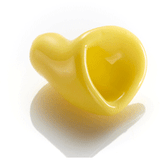




The hardest noise to manage is not always the loudest. It can be the scrape of chairs in a café, a crowded shopping centre, traffic through an open window, a hand dryer, or several people talking at once. Sensory earplugs help reduce the intensity of these everyday sounds, giving people with noise sensitivity more control without requiring them to withdraw from work, family, travel or social life.
For some people, reducing sound is about comfort and concentration. For others, it is part of managing sensory overload associated with autism, ADHD, migraine, tinnitus or other sensitivities. The right earplugs are not a cure or a medical treatment, but they can be a practical support tool when the environment is simply too much.
What sensory earplugs are designed to do
Sensory earplugs are reusable earplugs intended to make sound feel less intrusive. Rather than aiming to block every sound, many are designed to soften overall noise while allowing useful cues, such as speech, alarms and announcements, to remain more accessible than they would with heavily blocking foam plugs.
That distinction matters. Complete isolation may be useful for certain jobs, sleep situations or very loud environments, but it is not always suitable for day-to-day life. If you need to speak with colleagues, follow a teacher or support worker, hear your name called, or stay alert near traffic, a moderate and consistent reduction can be more practical.
The experience varies from person to person. One wearer may want the edge taken off noisy restaurants and public transport. Another may need greater attenuation for events, busy workplaces or long periods in shared spaces. Comfort, sound level, the type of noise and how long you need to wear the plugs all affect what will work best.
Why fit matters as much as sound reduction
An earplug that feels irritating, falls out or creates pressure in the ear is unlikely to be worn consistently. That is why fit should be the first consideration, especially for people who are already sensitive to physical sensations.
Soft reusable earplugs are often a good starting point for occasional use and changing environments. They can be removed quickly if needed, cleaned and used again, and are generally less wasteful than disposable foam plugs. However, universal-fit plugs rely on a small selection of tip sizes, so they may not suit every ear canal.
Custom-moulded sensory earplugs are made from impressions of your ears. They can be particularly useful for people who wear earplugs regularly, struggle with the feel of standard tips, or need a stable fit through long workdays, travel or frequent community outings. A close-fitting custom plug can also reduce the need to keep adjusting it, which is a small but meaningful benefit when sensory load is already high.
Custom protection is not automatically the right choice for everyone. If your needs are occasional or still changing, a quality reusable option may make more sense. If earplugs are becoming part of your everyday routine, investing in a fitted solution can offer greater comfort, durability and confidence.
Filters can make sound more usable
Some earplugs use acoustic filters rather than simply sealing the ear canal as much as possible. Filters aim to reduce sound more evenly across different frequencies. In plain terms, music and speech may sound more natural than they do through basic foam earplugs, although they will still be quieter.
This can be valuable for musicians, venue staff, students, hospitality workers and anyone who wants relief from noise without feeling cut off from the room. It can also suit people who find certain sharp or high-pitched sounds particularly uncomfortable.
There is a trade-off. Filtered earplugs are not intended to replace high-protection hearing protection where workplace noise levels demand certified solutions and a proper safety approach. In a noisy industrial setting, hearing protection must match the hazard, the task and workplace requirements. Sensory comfort and occupational hearing conservation can overlap, but they are not always the same problem.
Choosing sensory earplugs for real situations
Start with the environment you want to handle better. A pair that feels helpful on a train may not provide enough reduction at a concert, and a plug selected for sleeping may make conversation impractical during the day.
For daily errands, public transport, cafés and office noise, look for comfortable reusable earplugs that take the edge off without making you feel disconnected. For events, rehearsals and venues, filtered hearing protection can be a better fit where sound quality and communication matter. For sleep, choose plugs designed for comfort when lying on your side, with a low-profile shape that does not press uncomfortably into the pillow.
People who ride motorcycles, work around machinery or attend shooting ranges need purpose-specific protection rather than relying on everyday sensory plugs. These settings can expose ears to damaging sound levels, and permanent noise-induced hearing damage cannot be reversed. The goal is not simply to make noise more tolerable. It is to provide suitable protection for the exposure.
If you are buying for a child, school-aged person or NDIS participant, consider independence as well as attenuation. Can they insert and remove the plugs safely? Will they tolerate the texture? Can they store them in a case and keep them clean? A gradual introduction at home, in a calm environment, is often more successful than first trying earplugs in the middle of an overwhelming outing.
A practical approach to wearing earplugs
New earplugs can feel different at first, even when they are comfortable. Begin with short periods in a predictable setting, then use them in slightly busier environments as confidence grows. This helps you learn how the plugs affect speech, your own voice and the sounds you rely on.
Avoid wearing earplugs continuously when the environment is quiet unless there is a clear reason to do so. The aim is to use a helpful tool when noise is genuinely disruptive or potentially harmful, not to make everyday sound disappear altogether. If you are concerned about changes in hearing, ear pain, persistent ringing or increasing sound sensitivity, seek advice from an appropriately qualified health professional.
Keep reusable plugs clean according to their care instructions. Earwax, dust and moisture can affect comfort and hygiene, particularly when plugs are worn often. Store them in their case rather than loose in a pocket, handbag or glovebox. For custom earplugs, regular checking for wear, hardening or damage helps maintain a reliable seal and comfortable fit.
Sensory support should not mean compromising safety
Earplugs can make a crowded world feel more manageable, but they should never prevent you from responding to hazards. Around roads, platforms, worksites, water or any setting with alarms and moving equipment, stay aware of what you need to hear. If speech or warnings become too difficult to follow, the level of reduction may not be right for that activity.
For workplaces, managers should treat noise sensitivity with respect while also ensuring workers have hearing protection appropriate to their actual noise exposure. A personalised approach can include task-specific hearing protection, training on correct insertion and care, and fit and seal checks for custom-moulded plugs where appropriate. Comfort supports compliance, and consistent use is essential when noise is hazardous.
Hearsafe Australia can help Australians select reusable or custom-moulded hearing protection suited to their environment, sensory preferences and daily routine. Choose earplugs that make space for the sounds you need, while reducing the noise that gets in the way.
