

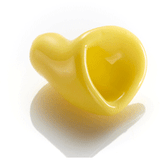




A loose earplug can turn a well-planned day at the range into an unnecessary noise exposure. To insert shooting earplugs safely, you need more than a quick push into the ear canal. The plug must be clean, comfortable and properly sealed, without being forced too deeply. That seal is what helps reduce the sharp report of firearms before it reaches your hearing.
Gunfire is not ordinary background noise. It is sudden, intense and capable of causing permanent hearing damage in a single unprotected exposure. Whether you are zeroing a rifle, shooting clays, working on a property or heading out hunting, take a moment to fit your protection correctly before the first shot.
Start with the right earplug for shooting
Shooting earplugs need to suit both the noise environment and the way you shoot. Foam plugs can be effective when inserted correctly, but they are single-use and easy to fit poorly. Reusable plugs are a practical option for regular range sessions, while custom-moulded shooting earplugs are shaped from impressions of your ears for a consistent, comfortable fit.
The best choice also depends on your other equipment. Bulky hearing protection can affect cheek weld on a rifle or interfere with glasses, hats and helmet straps. Low-profile earplugs can solve that problem, provided they offer suitable rated protection for the environment. At an indoor range, during sustained firing or when standing near other shooters, many people choose to wear earplugs under earmuffs for added protection.
Do not rely on an earplug because it simply feels snug. Use hearing protection designed for shooting and check its supplied instructions, including its rated SLC80 performance. A plug that is comfortable but not sealed is not doing its job.
How to insert shooting earplugs safely
Your hands and the earplugs should be clean and dry before you begin. Dirt, oil and moisture can make plugs slippery, compromise the fit and transfer unwanted debris into the ear canal.
Foam shooting earplugs
Foam plugs require a little patience. The most common mistake is placing the plug just inside the outer ear, where it looks fitted but leaves a pathway for noise.
Roll the foam plug slowly between clean fingers until it is compressed into a narrow, crease-free cylinder. With your opposite hand, reach over your head and gently pull the top of your ear up and back. This helps straighten the ear canal. Insert the compressed plug until most of it sits within the ear opening, then hold it in place while the foam expands.
Give it time to recover fully. When fitted properly, the plug should not be sticking far out of the ear, and your voice will usually sound deeper or more internal. Do not force a foam plug deep into the canal. If it will not sit comfortably, remove it and start again with a fresh plug.
Reusable flanged earplugs
Reusable earplugs may have soft flanges that create the seal. Hold the stem or outer tab, not the sealing flanges, and guide the plug into the ear canal with a gentle twisting motion. Pull the outer ear up and back if needed, then stop when the plug feels secure and comfortable.
The outer tab should remain accessible for removal. If the plug causes sharp pain, intense pressure or will not seat without force, take it out. A different size or style may be needed. Pushing harder is not the answer.
Custom-moulded shooting earplugs
Custom earplugs are made to follow the contours of your ears, but they still need to be inserted in the correct orientation. Identify the left and right plug, then align it with the shape of your outer ear. Gently rotate the earplug into place rather than pushing it straight in.
A correctly fitted custom plug should sit securely without painful pressure, excessive movement or a feeling that it is working its way out. If your plugs have filters or specialised shooting components, keep those parts clean and fitted as directed. Altering, removing or mixing components can affect the protection you expect from them.
Check the seal before you step onto the firing line
A fit check takes seconds and should become part of your shooting routine, alongside eye protection and firearm safety checks. Once both plugs are inserted, speak aloud or rub your fingers together near each ear. Sound should be noticeably reduced and similar on both sides.
Then move your jaw as though chewing and turn your head from side to side. The earplugs should stay in position. If one plug loosens, sounds noticeably different or feels as though it is gradually backing out, refit it before shooting starts.
Pay attention when using electronic earmuffs over earplugs. The muffs should sit evenly around the ears without pressing hard enough to dislodge the plugs. Glasses arms, cap brims and long hair can break an earmuff seal, so adjust them before you begin. Double protection only works when both layers are fitted properly.
Never force an earplug into an irritated ear
Shooting protection should feel secure, not painful. Stop and seek advice from a qualified health professional if you have ear pain, discharge, an ear infection, a suspected blockage, recent ear surgery or difficulty removing a plug. Do not insert earplugs into an ear that is already sore or inflamed.
It is also worth reassessing the fit if you repeatedly experience ringing, muffled hearing or discomfort after shooting. Hearing protection prevents exposure when used correctly, but it cannot reverse existing damage. Early action matters when your hearing feels different.
For regular shooters, inconsistent fit is a strong reason to consider custom-moulded earplugs. The goal is not just comfort on one range day. It is dependable protection you will actually wear every time you shoot.
Keep shooting earplugs clean and ready
A dirty earplug is harder to fit safely. After use, wipe reusable or custom earplugs with the recommended cleaning product, allow them to dry and store them in their case. Check for splits, hardened material, damaged flanges or blocked filter openings before each session.
Foam plugs should be discarded when they are dirty, damaged or no longer expand evenly. They are not designed to be washed and reused. Keeping a spare pair in your range bag is sensible, but do not leave foam plugs loose at the bottom with spent brass, dust and other debris.
Custom and reusable plugs last far longer with basic care, but they are not lifetime items. If the fit changes, the material wears or the seal becomes unreliable, arrange an assessment of your hearing protection needs. For workplaces and shooting clubs, fit-and-seal support can also help confirm that custom earplugs are seating as intended.
Fit is part of responsible shooting
Earplugs are easy to overlook because they take only a few seconds to put in. Those few seconds are the difference between wearing protection and being properly protected. Fit them before you are around active firing, recheck the seal whenever you take a break, and replace any plug that no longer feels right.
Choose shooting hearing protection that suits your firearm, environment and frequency of use, then make correct insertion as automatic as loading eye protection into your range bag.
