



A box of disposable earplugs in the crib room does not automatically equal protection on site. Mining crew adoption only happens when workers can wear hearing protection comfortably through long shifts, communicate clearly, and trust it will stay effective in dusty, hot and physically demanding conditions.
For supervisors and safety managers, this is more than a compliance exercise. Noise-induced hearing damage is permanent, and crews exposed to plant, drilling, crushing, haulage, blasting activity and workshop tools may face high noise levels across an entire roster. The right hearing protection program needs to make safe behaviour the practical choice, not an extra frustration workers abandon halfway through a shift.
Why mining crew adoption can stall
Most crews understand that loud noise can damage hearing. The gap usually appears between knowing and doing. If earplugs are uncomfortable, difficult to insert with dirty hands, incompatible with other PPE or make radio calls hard to follow, workers may remove them when they need them most.
Disposable foam plugs have a role, particularly for visitors, short-term work or backup supplies. But their protection depends heavily on correct insertion every time. A plug sitting loosely at the ear canal entrance can feel like it is doing the job while providing far less protection than intended. On a busy site, rushed fitting and inconsistent use are common risks.
Communication is another major barrier. Mining work relies on instructions, alarms, spotters, radios and clear conversations around mobile plant. Workers can understandably resist any protection they believe isolates them from the team. The answer is not to accept unprotected ears. It is to select hearing protection designed for the noise environment and the communication demands of the job.
There is also a comfort issue that should not be dismissed as preference. A crew member wearing plugs for a full shift may be dealing with sweat, dust, safety glasses, helmets, respirators and frequent movement. Pressure points, poor fit and plugs that work loose all reduce the likelihood of consistent wear. Protection that is technically suitable but rarely worn cannot deliver its intended benefit.
Mining crew adoption starts with the right protection
A strong program begins by matching the protection method to the task, exposure pattern and person wearing it. One-size-fits-all policies often create predictable problems because a fixed plant operator, a drill and blast crew member, a fitter and a supervisor moving between work areas do not always face the same conditions.
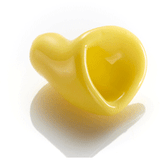
Custom-moulded industrial earplugs are often a practical option for regular wearers. Made from impressions of the wearer’s ears, they are shaped for an individual fit and can be supplied with filters selected for workplace noise requirements. This can reduce the pressure and movement issues associated with generic plugs while supporting repeatable insertion.
For workers who need to communicate, filtered protection can be particularly valuable. It reduces harmful noise while allowing speech and surrounding sound to remain more natural than with heavily blocking options. The appropriate choice depends on the work environment and required protection level, so selection should always consider the rated SLC80 and the site’s noise controls and PPE requirements.
Custom protection also gives people a clear sense of ownership. When a worker has attended an ear impression appointment and received protection made for their ears, it becomes personal equipment worth looking after. That is a meaningful shift from treating earplugs as a disposable item grabbed only when someone is watching.
Fit is a safety control, not a comfort extra
Comfort improves wear time, but fit also affects protection. Even well-made custom earplugs need to seal correctly to perform as intended. Changes in body position, jaw movement or an incorrectly seated plug can affect the acoustic seal.
For organisations introducing custom protection, acoustic leakage testing can provide useful confirmation that earplugs are fitted and sealed effectively. It gives workers practical feedback on insertion while giving managers greater confidence that the investment is being used as intended. It is not a substitute for managing noise at the source, but it strengthens an important layer of personal protection.
Make adoption part of the work system
Mining crews are more likely to adopt hearing protection when it is built into normal site routines. A toolbox talk alone rarely changes behaviour for the long term. Workers need clear expectations, suitable equipment, accessible replacements and supervisors who lead by example.
Start with the actual work rather than a generic product decision. Identify where noise is generated, which roles are exposed, how often exposure occurs and what communication workers must maintain. This helps distinguish between an occasional high-noise task and a role where protection is required for most of the shift.
Then involve the people wearing the equipment. Ask where current plugs fail: do they hurt after several hours, fall out under helmets, become difficult to handle in gloves, or make radio communication frustrating? This feedback is not resistance to safety. It is information that can improve the program.
Training should be practical and brief. Show workers how to insert, remove, clean and store their hearing protection. Explain why a proper seal matters, without relying on scare tactics. Permanent hearing damage can affect conversations, family life, sleep and enjoyment of music long after a person leaves the industry. That makes consistent protection an investment in life beyond the site gate.
Supervision matters too. If leaders wear their own protection correctly, pause work when PPE is unavailable and treat fit issues seriously, the standard becomes visible. If hearing protection is treated as optional during short jobs, vehicle checks or quick trips through noisy areas, crews will take that cue as well.
Balance protection with communication and situational awareness
There is no universal earplug for every mining activity. The right solution depends on the exposure, work practices and other controls already in place. For some high-noise tasks, greater attenuation may be necessary. In roles where clear speech is critical, filtered custom earplugs may better support day-to-day use.
The key is to avoid framing protection and communication as opposing choices. Hearing protection should be selected as part of the site’s broader communication plan, including radio protocols, visual signals, exclusion zones and equipment maintenance. If a worker cannot reliably hear or understand an instruction, that needs to be addressed through work design rather than solved by removing earplugs.
It is equally important not to rely on PPE alone. Quieter equipment, maintenance, barriers, isolation, scheduling and distance from the noise source remain higher-order controls. Earplugs protect the individual, but they work best within a program that actively reduces exposure wherever possible.
Keep the program working after rollout
Adoption can fade when a program is launched well but not maintained. Earplugs may be lost, damaged or left in lockers. New starters may receive less training than the original group. Workers can also stop using protection if they have no simple way to raise a fit or comfort concern.
Set clear processes for issue reporting, replacement and cleaning. Reusable earplugs need regular care to remain hygienic and functional, particularly in dusty work environments. A protective case makes it easier for workers to store them safely between tasks and reduces the chance they end up loose in a pocket or ute console.
Review the program when site conditions change. New machinery, altered workflows, contractor activity or a different roster can change the noise profile and communication needs. Regular conversations with crews will often reveal problems before they become normalised.
For employers, the aim is not simply to distribute PPE. It is to create a hearing protection system that workers can and will use every day. Request an industrial hearing protection quote to discuss custom-moulded options, crew fittings and a practical pathway for stronger hearing protection uptake across your site.
