



A crew can have hearing protection available in every crib room and still leave it sitting in a pocket. In this Perth workplace fitting case study, the issue was not a lack of awareness. The team understood that loud tools, plant and intermittent impact noise could damage hearing permanently. The problem was that disposable plugs were uncomfortable over a full shift, difficult to fit consistently and often removed when workers needed to speak with each other.
This representative case study is based on the practical fitting process used for industrial teams. Workplace details have been kept anonymous, but the challenges will be familiar to safety managers, supervisors and workers across construction, manufacturing, transport and maintenance.
The workplace challenge
The Perth-based business had a mixed crew working across noisy tasks. Some employees spent extended periods near machinery, while others moved between high-noise zones, vehicles, workshops and quieter areas. Their hearing protection approach relied largely on single-use foam earplugs, with earmuffs used for selected tasks.
That arrangement was not necessarily wrong. Foam plugs and earmuffs remain useful options when correctly selected and worn. But the supervisor had noticed a few recurring issues: inconsistent fit, poor worker acceptance and a tendency for people to remove protection to communicate.
Workers also raised comfort concerns. Foam plugs could feel irritating after hours of wear, particularly for people who sweated heavily or wore other personal protective equipment. Some employees found the rolling and insertion process fiddly with dirty hands. Others were unsure whether the plug had been seated deeply enough to provide its intended protection.
The business wanted a practical solution that supported its hearing conservation responsibilities without making daily work harder. The goal was not to replace every form of hearing protection with one product. It was to identify where custom-moulded earplugs could improve consistency for people regularly exposed to noise.
Why an on-site fitting made sense
Sending every worker away for individual appointments can be impractical. Rosters, travel time and project deadlines all get in the way. An on-site workplace fitting brings the process to the crew, allowing ear impressions to be taken in a familiar setting and keeping disruption manageable.
Before the fitting session, the employer identified the workers most likely to benefit from custom industrial earplugs. This included regular users of hearing protection, workers who had struggled with foam plugs and team members who needed to communicate around moving plant or during coordinated tasks.
The conversation was just as valuable as the impressions. Workers could describe what they disliked about their current protection: pressure, plugs working loose, trouble hearing instructions or the ongoing waste created by throwing away multiple pairs of foam plugs. Those details matter because the right hearing protection depends on the job, the surrounding noise and the person wearing it.
Custom earplugs are not automatically the best choice for every worker or every task. A short, occasional high-noise job may be well served by correctly fitted disposable plugs or earmuffs. Workers with changing visitors, shared PPE requirements or situations requiring double protection may need a different approach. A workplace fitting should make those distinctions clear rather than treating custom protection as a one-size-fits-all answer.
The Perth workplace fitting case study process
The session began with a clear explanation of what custom-moulded hearing protection can and cannot do. It reduces sound exposure according to its certified rating when fitted and used correctly, but it does not make a hazardous workplace safe on its own. Noise control at the source, equipment maintenance, work practices and appropriate PPE selection remain essential.
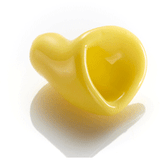
Each participant then had an ear impression taken by a qualified practitioner. This creates the mould used to produce custom earplugs shaped for that individual ear. The process is quick, but accuracy matters. A well-made custom plug should sit securely and comfortably, making it more realistic for someone to wear it for the whole task rather than only when a supervisor is nearby.
The crew also discussed filter selection. Industrial filtered earplugs are designed to reduce harmful noise while allowing more useful sound through than solid plugs. That can be particularly helpful where workers need to hear speech, alarms or changing conditions. However, communication needs should never override required protection. Where the risk assessment calls for a particular level of protection or double protection, the workplace must follow that requirement.
Once the earplugs were manufactured and returned, workers received fitting guidance. They learned how to insert and remove their plugs, how to inspect them and when to clean them. This step is easy to underestimate. Even a custom product needs correct placement and routine care to maintain a reliable seal.
Checking fit and seal
For the employer, confidence in fit was a central concern. Visual checks alone cannot always show whether a custom earplug is sealing properly in the ear canal. On-site acoustic leakage testing using an ALT device can help assess fit and seal for custom-moulded earplugs.
The test is not a hearing test and does not diagnose hearing loss. It is a practical check of whether the custom earplug is providing an effective seal for the wearer. If a seal issue is identified, the result can guide follow-up action, such as reviewing insertion, checking for a fit concern or arranging a remake where appropriate.
This gave the supervisor a more useful basis for discussion than simply asking workers whether the plugs felt comfortable. Comfort is vital, but it is only one part of effective hearing protection. The earplug also needs to remain properly seated through normal movement, conversation and a full shift.
What changed for the crew
The strongest outcome was not a dramatic claim about a single fitting day. It was a more workable system for regular hearing protection users. Workers had equipment made for their ears, understood why fit mattered and had a clear process for using and caring for their plugs.
Custom reusable earplugs also reduced reliance on constantly replacing disposable plugs for participating workers. That can mean less waste and fewer last-minute shortages in site stores. The longer service life can make custom protection a sensible option where exposure is frequent and workers are committed to looking after their equipment.
For the supervisor, the fitting created a better record of who had received custom protection and what follow-up was required. It also prompted a broader conversation about noise hazards, PPE habits and where communication was being compromised by poorly tolerated protection.
There were limits. A custom plug can be misplaced, damaged or worn incorrectly. It must be kept clean, stored properly and checked for wear. Some workers still preferred earmuffs for specific tasks, especially where they wanted quick on-off use or needed to combine protection methods. The right program gave workers appropriate options while keeping the site’s noise controls and PPE requirements front of mind.
Lessons for safety managers
A workplace fitting works best when it is part of a considered hearing protection program, not a box-ticking exercise. Start with the noise risks and the people exposed to them. Then look at the practical reasons protection is not being worn consistently: poor comfort, poor fit, communication concerns, hygiene, waste or confusion about correct use.
It also helps to choose participants carefully. Teams with regular exposure and repeated difficulty using disposable protection are often a good starting point. Their feedback can show whether custom-moulded earplugs are worth extending to other roles.
Finally, make follow-up part of the plan. A fitting session is the beginning of better protection, not the finish line. Check that workers are using their plugs, replacing damaged components where needed and speaking up when a fit no longer feels right. Hearing damage is permanent, but preventable exposure is something workplaces can act on now.
If your team needs hearing protection that workers are more likely to wear properly, request an industrial hearing protection quote and discuss an on-site fitting pathway for your workplace.