

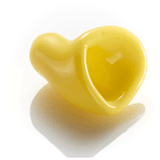




A custom earplug only protects properly when it seals properly. Sweat after a shift, dust from the worksite, sunscreen at the beach and wax from everyday wear can all build up on the surface and affect comfort over time. This custom earplug maintenance guide explains how to keep your plugs clean, dry, comfortable and ready for the environment they were made for.
Custom-moulded earplugs are built for repeat use, not the bin after one shift or one gig. A few minutes of regular care helps protect that investment, supports hygiene and makes it easier to notice changes in fit before they become a problem.
Custom earplug maintenance guide: the everyday routine
After wearing your earplugs, remove them slowly by breaking the seal first, rather than pulling sharply on the removal tab or stem. Hold each plug by its outer section, not the sound filter or any small removable component.
Wipe the earplug with a clean, soft cloth or tissue. If there is visible residue, use lukewarm water with a small amount of mild soap, then wipe it clean. Keep water away from filter openings where possible, and never soak filtered plugs unless the care instructions for your specific model say that is suitable.
Dry the plugs thoroughly with a lint-free cloth before putting them back in their case. Moisture trapped in a closed case can create odour, attract debris and make the plugs unpleasant to wear. Let them air-dry fully at room temperature if needed, but keep them away from direct sun, heaters and the dashboard of a hot ute.
A quick wipe after each use is usually enough for office noise, commuting, sleep or music. If you work in dusty conditions, wear sunscreen, use hair products or are around machinery lubricants, clean them more carefully at the end of each day.
Use the right cleaner, not the strongest cleaner
Harsh chemicals can damage some earplug materials, cloud their finish or affect small filter components. Avoid bleach, solvents, acetone, petrol-based products and abrasive cleaning pads. Alcohol wipes may also be unsuitable for particular materials or filters, so follow the instructions supplied with your plugs when in doubt.
Mild soap and water, used carefully, is the sensible default for many custom earplugs. The aim is to remove body oils and surface dirt, not to sterilise the earplugs with aggressive chemicals. If you need specialised cleaning tools or products, choose items made for reusable hearing protection.
Clean filters and vents with care
Filtered musician, industrial and motorcycle earplugs can reduce noise while helping speech, music or environmental sound remain more natural. Those filters are precision components, so they need a lighter touch than the moulded body of the plug.
Do not poke pins, toothpicks or sharp objects into a filter opening. It is easy to damage the filter, shift a component or leave debris inside. Instead, gently brush around the opening using the cleaning tool supplied for the product, or use a dry, soft brush intended for hearing protection care.
If a filter looks blocked, sounds noticeably different or has become loose, stop trying to force a fix at home. A blocked or damaged filter can change how the earplug performs. Contact the supplier or fitting provider for product-specific advice and replacement options.
The same care applies to water-protection earplugs with vents or specialised designs. Swimming plugs should be rinsed with fresh water after pool, ocean or river use, then dried completely. Chlorine, salt and sand should not be left sitting on the material or inside the storage case.
Store custom earplugs where they can stay clean and dry
The case is part of your hearing protection system. It prevents your earplugs being crushed in a tool bag, lost in a jacket pocket or covered in lint at the bottom of a handbag. Get into the habit of returning them to their case as soon as they are clean and dry.
Store the case somewhere cool and dry. A locked worksite locker, bedside drawer or carry-on bag is generally fine. Avoid leaving earplugs loose in a car, on a workshop bench or in direct sunlight. High heat can affect the shape and lifespan of some materials, while dust and grit can make the earplugs uncomfortable and harder to clean.
Clean the case regularly too. Wipe out dust and moisture, then let it dry before replacing the plugs. If the case is cracked, no longer closes securely or has an odour that does not clear after cleaning, replace it. A clean earplug placed in a dirty case will not stay clean for long.
For people who use separate pairs for work, sleep, swimming or riding, label the cases. This reduces mix-ups and makes it easier to keep the right protection with the right gear.
Check the fit before protection is compromised
Custom earplugs should feel secure and comfortable, without painful pressure, excessive movement or a need to constantly reposition them. The fit may change over time due to normal body changes, dental work, weight changes, ear surgery or changes to the ear canal. Damage, hardening or warping can also affect the seal.
Inspect your plugs regularly under good light. Look for cracks, tears, rough edges, discolouration that will not clean away, loose filters and damage around handles or removal stems. Check that left and right markings are still clear so you insert each plug correctly.
A visual inspection matters, but it cannot confirm acoustic performance. For workplaces using custom hearing protection, acoustic leakage testing can check the seal of the custom-moulded earplug in the ear. This is particularly useful where consistent fit supports a broader hearing conservation program.
If your earplugs suddenly feel loose, uncomfortable or noticeably less effective, do not simply keep wearing them and hope for the best. Arrange an assessment of the fit and condition. A replacement or new impression may be the safer option, especially for regular industrial noise exposure, shooting or motorsport use.
Make care match the way you use your plugs
The basic routine is the same, but your environment changes what deserves extra attention. Tradies and industrial workers may need to remove fine dust, sweat and residue after every shift. Musicians, DJs and venue staff should keep filters clear and protect their plugs from drink spills, makeup and moisture in gig bags.
Motorcyclists should check for grit and dust after rides, particularly if earplugs are carried in a jacket pocket. Sleep earplugs benefit from frequent cleaning because they are worn for long periods against bedding, hair and skincare products. Swimmers should always rinse off chlorine or salt water promptly.
Never share custom-moulded earplugs. They are shaped for one person’s ears and sharing creates an unnecessary hygiene issue. If you need protection for a team, each worker needs their own correctly fitted pair.
When it is time for professional help
Routine cleaning is straightforward, but a few situations call for support rather than a home remedy. Seek advice if you cannot remove stubborn debris without scraping, if a filter has fallen out, if the material has split or if your earplugs no longer seal as they once did.
Do not alter a custom earplug with scissors, glue, tape or heat. Small changes can affect comfort, retention and acoustic performance. It may seem like a quick fix before a shift or event, but hearing damage is permanent and protection should never rely on a workaround.
If ear discomfort, pain, discharge or a suspected ear infection is involved, stop using the earplugs until you have appropriate clinical advice. Hearing protection is preventative equipment, not a substitute for medical care.
Well-maintained custom earplugs can provide reliable, comfortable protection across work, travel, music, sleep and recreation. Keep them clean, dry and safely stored, then act early when the fit changes. If you need new custom protection or support with the condition of your current plugs, speak with Hearsafe Australia about the right next step for your noise environment.