





A grinder starts up beside you. The pub band gets louder as the night goes on. Wind buffets your helmet at 100 km/h. These moments can feel routine, but repeated noise exposure can cause permanent hearing damage. This hearing conservation guide is designed to help Australians make practical choices before ringing ears, muffled sound or difficulty following conversations become part of everyday life.
Hearing conservation is not about avoiding the things you enjoy or making work harder. It is about reducing harmful noise while keeping enough awareness for speech, music, alarms and the environment around you. The right protection depends on where you are, how long you are exposed and what you need to hear.
What hearing conservation really means
A hearing conservation plan is the set of habits, controls and protective equipment used to reduce damaging noise exposure over time. For workplaces, it should sit alongside noise control measures such as quieter equipment, barriers, maintenance and sensible job design. Personal hearing protection is essential, but it is not a substitute for reducing noise at the source wherever possible.
For individuals, the same principle applies. Lower the volume when you can, move away from speakers or machinery where practical, limit time in very loud environments and wear purpose-built ear protection when noise cannot be avoided.
The key issue is cumulative exposure. A single loud event may leave temporary ringing or dull hearing. Regular exposure - whether from workshop tools, live venues, firearms, motorsport or a loud commute - places repeated stress on the inner ear. Once noise-related hearing damage occurs, it cannot be reversed.
Start with your real noise exposure
People often picture industrial machinery when they think about hearing protection. Worksites matter, but exposure also happens at rehearsals, stadiums, nightclubs, on motorbikes, while mowing, during DIY projects and even in open-plan offices where constant sound causes fatigue.
Consider three questions. How loud is the environment? How long are you in it? And do you need to communicate, hear warnings or enjoy accurate sound while protected? The answers guide the type of earplug or earmuff that will suit you.
A construction worker using power tools for much of a shift has different needs from a venue worker standing near speakers, and both differ from a light sleeper dealing with neighbourhood noise. One generic solution rarely performs equally well in every setting.
Watch for signs that your routine is too loud
Ringing after a shift, gig or ride is a warning sign, not a normal badge of a good night out. Other signs include muffled hearing, needing the television louder than usual, struggling to hear speech in background noise, or feeling unusually tired after working in a noisy area.
These symptoms do not diagnose the cause of a hearing issue, but they are a strong reason to take exposure seriously. If hearing changes persist or concern you, seek advice from an appropriately qualified health professional. Prevention remains the practical step you can take before the next exposure.
Choose protection for the job, not the shelf
The best hearing protection is the option that provides suitable certified protection and that you will actually wear correctly for the full period of exposure. Comfort matters because an earplug left in a pocket does not protect anyone.
For workplace use, select products suited to the task and ensure they meet relevant Australian Standards requirements. Employers should assess the noise risks of each role and provide workers with appropriate options, instruction and supervision. Earplugs and earmuffs can both have a place, depending on the level and nature of noise, other personal protective equipment and the need for communication.
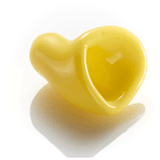
Custom-moulded earplugs are often a strong long-term option for regular users. They are shaped to the wearer’s ears, making them more secure and comfortable than one-size-fits-all alternatives for many people. They can also be fitted with filters selected for particular uses, such as industrial work, music or riding. The trade-off is that custom protection requires ear impressions and a more considered purchase, but its durability, comfort and reduced disposable waste can make it worthwhile for frequent exposure.
Reusable universal-fit earplugs can be a practical choice for occasional use, travel or as a backup pair in a work bag, glovebox or gig kit. Foam earplugs are widely available and useful in some situations, but correct rolling and insertion are critical. If they are only sitting at the entrance of the ear canal, their real-world performance can be far below what the packaging suggests.
Fit is where protection succeeds or fails
A high-rated product cannot deliver its intended protection without a proper seal. Earplugs should feel secure without painful pressure, and they should not work loose as you talk, chew, sweat or wear a helmet. Earmuff cushions must sit evenly against the head, with hair, glasses arms, hoods and other gear considered because they can affect the seal.
For workplaces using custom protection, acoustic leakage testing can provide useful confirmation that the earplugs are sealing as intended. This is especially valuable where workers rely on their plugs across long shifts or in consistently noisy environments. Fit should also be reviewed if a plug becomes uncomfortable, damaged, loose or difficult to insert.
Do not assume that more blockage is always better. Excessive isolation can make communication difficult or reduce awareness of alarms and approaching vehicles. In environments where people need to hear speech, music detail or surrounding activity, filtered earplugs may offer a better balance than simply choosing the strongest available option.
Protect hearing without losing the experience
Musicians, DJs, venue staff and regular gig-goers need protection that lowers harmful sound while preserving as much clarity as possible. Standard foam plugs can make music sound dull or uneven. Purpose-designed music filters can reduce sound more evenly, helping users hear the mix, vocals and conversation with less distortion.
Motorcyclists and motorsport participants face a different challenge: sustained wind noise. A helmet is essential safety equipment, but it does not necessarily remove the need for suitable earplugs. Low-profile plugs that sit comfortably beneath a helmet can make long rides less fatiguing while helping reduce exposure.
At the range or during shooting activities, impulse noise demands specialised protection. Choose products designed for that use, follow range rules and consider how your eye protection and headwear affect fit. For swimming, the goal is different again. Water protection can help keep water out of the ears, but swimming plugs are not automatically appropriate for high-noise tasks.
Build simple habits that last
The strongest hearing conservation plan is the one you can repeat without fuss. Keep the right protection where you need it: in your tool bag, work locker, helmet bag, instrument case or bedside drawer. Clean reusable plugs as directed and inspect them regularly for wear, cracking or changes in fit.
If you manage a team, make hearing protection easy to access and normal to wear. Give workers a choice of suitable styles where possible, explain how to fit them and encourage early reporting of comfort or seal issues. A worker who cannot communicate safely or tolerate their protection for a full shift needs a better solution, not a lecture.
For personal use, think ahead. Pack earplugs before a festival, bring them on a flight, and keep a pair handy for unexpected DIY noise. These small decisions are far easier than trying to manage the consequences of avoidable exposure later.
Make protection part of the plan
Hearing conservation works best when it is tailored. The tradie working beside cutting equipment, the drummer on stage, the rider heading out on the freeway and the shift worker trying to sleep through daytime noise do not need the same product. They need a solution that fits their ears, their environment and their routine.
If noise is part of your work or life, choose hearing protection before the next loud shift, ride, rehearsal or event. A properly selected, comfortable option gives you a realistic way to protect what you may otherwise take for granted: the ability to hear clearly for years to come.