

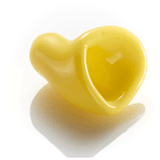




A neighbour starts mowing just as you open your notes. Someone takes a call nearby. The air conditioner hums, traffic moves past the window, and every small sound suddenly feels louder because you are trying to focus. Study concentration earplugs can reduce that background load, helping many people create a calmer space for reading, revision and detailed work.
They are not a shortcut to motivation, and they will not make every study environment silent. The right pair can, however, remove enough distraction that your brain has fewer sounds competing for attention. For university students, people working towards a qualification, shift workers studying at odd hours, and those with sensory sensitivity, that can make a meaningful difference.
How study concentration earplugs support focus
Concentration is easily broken by unpredictable noise. A steady fan may fade into the background, but a door closing, a conversation or a notification can pull your attention away from a complex task. Returning to that task takes effort, particularly when you are writing, solving problems or trying to retain new information.
Earplugs lower the intensity of surrounding sound before it reaches your brain. They do not selectively remove only annoying noise, so voices, alarms and other sounds will also be reduced. That trade-off is worth understanding. If you need to hear a lecturer, a child in your care, a workplace radio or an alarm, choose your setting and hearing protection carefully.
For independent study, the benefit is often less about total silence and more about consistency. A quieter acoustic environment can feel less demanding. You may be able to stay with a chapter longer, write without reacting to every interruption, or recover more easily after a noisy commute before opening the laptop.
Earplugs can also help people who find everyday sound physically tiring or overwhelming. They are a practical sensory tool, not a treatment or cure. If sound sensitivity is persistent, severe or accompanied by changes in hearing, seek advice from an appropriate health professional.
What to look for in study concentration earplugs
The best option depends on where and how you study. Foam earplugs can be useful for occasional use in a noisy library, shared house or during travel, provided they are inserted correctly. However, they can feel bulky, create pressure over long sessions and are designed to be discarded. A poorly inserted foam plug also offers far less protection than people expect.
Reusable earplugs are often a better fit for regular study. They can be washed, carried in a case and used repeatedly, reducing the waste that comes with single-use plugs. Look for a soft material, a low-profile design that is comfortable against a pillow or headphone band, and a fit that stays stable when you talk, chew or move around.
Custom-moulded earplugs are worth considering when concentration support is part of your everyday routine. They are made from impressions of your ears, so they are designed around your individual ear shape rather than a one-size-fits-most form. For people who study for long stretches, work in noisy environments, travel regularly or struggle to keep standard plugs in place, that comfort and consistency can justify the investment.
The aim is not necessarily the highest available level of sound reduction. Higher reduction can be useful in very noisy situations, but it may leave you too disconnected from your surroundings for a café, office or home. Choose protection for the actual environment, and check the product’s rated SLC80 information when comparing options.
Comfort is part of protection
An earplug you remove after 20 minutes cannot support a three-hour study block. Pressure, heat, itchiness and a blocked-up feeling are all signs that the style or fit may not suit you. It is common to need a short adjustment period, especially if you have not worn earplugs before, but ongoing discomfort is not something to ignore.
For long sessions, take sensible breaks. Remove your earplugs in a safe, quieter space, stretch, drink water and reset your attention. Clean reusable earplugs as directed and store them in their case. Keeping them clean protects both comfort and the life of the product.
Match the earplug to your study environment
At home, the main issue may be household noise, television sound, traffic or renovation work next door. Reusable plugs can take the edge off these disruptions while allowing you to remain generally aware of the home. If you are studying late at night, make sure you have another reliable way to wake for an alarm.
In a library or shared co-working space, discreet reusable plugs can reduce keyboard tapping, chair movement and low-level conversation. They work particularly well alongside visual boundaries such as sitting away from walkways and putting your mobile out of reach. Earplugs reduce sound, but they cannot solve every interruption created by an open-plan room.
For commuting, noise reduction can make the transition into study time less draining. Use earplugs only when it remains safe to do so. Around roads, platforms, crossings and other changing environments, you need to retain awareness of warnings and moving vehicles. Never use hearing protection where it prevents you from hearing a safety-critical signal.
If you live with construction, loud neighbours or other ongoing noise, earplugs may be one part of the answer rather than the entire solution. Move your desk away from the noisiest wall, close windows where practical, use soft furnishings to reduce room echo, and schedule demanding work for the quietest part of the day. A consistent study ritual can be as valuable as the earplugs themselves.
Build a focus routine that works with earplugs
Put your earplugs in immediately before a defined task, not while you are still scrolling or deciding what to do. This creates a useful cue: earplugs in means it is time to read, write or revise. Start with a realistic block of focused work, then take a proper break before beginning again.
Avoid pairing earplugs with loud audio through headphones. If you use music or soundscapes to study, keep the volume conservative. Earplugs are designed to reduce external noise, not to give you a reason to turn up headphone volume. Your long-term hearing health matters well beyond the next exam or deadline.
It also helps to tell housemates, family or colleagues what the earplugs mean. A simple agreement about non-urgent interruptions can prevent frustration on both sides. If you need to hear someone calling your name, choose lower-reduction reusable protection or study in a separate room instead of blocking out more sound than the situation allows.
When custom earplugs make sense
Custom earplugs are not essential for every student. If you only need occasional relief from a noisy café, a quality reusable option may be all you need. But if standard plugs fall out, hurt, irritate your ears, or become part of your daily study and sleep routine, a custom fit offers a more dependable option.
Hearsafe Australia provides custom-moulded hearing protection through an Australia-wide network of partnered audiologists and registered nurses for ear impressions. For Perth workplaces and local clients, on-site options may also be available. This is hearing protection support, focused on fit, comfort and appropriate noise reduction rather than hearing diagnosis or treatment.
A well-fitted pair can serve more than one part of life. The same person who needs quiet for focused study may also want relief while travelling, sleeping in a noisy household, attending events or working near machinery. The correct product still depends on the use case, because communication and safety needs change from place to place.
A quieter desk will not write the assignment for you, but it can make the first focused hour easier to protect. Choose earplugs that you can wear comfortably, use them where awareness is not compromised, and make your study environment work harder for your attention. When regular noise is getting in the way, explore reusable or custom hearing protection that suits the way you study.