

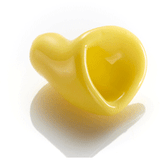




The bass drops, the crowd surges and your favourite act finally walks on stage. That is exactly when many people forget to protect ears at festivals. The problem is that your ears do not get a reset when the set ends. A long day near powerful speakers can leave you with ringing, muffled hearing or sound sensitivity - and repeated exposure can contribute to permanent hearing damage.
Festival hearing protection is not about making music dull or taking you out of the moment. The right earplugs reduce harmful volume while keeping the mix, vocals and atmosphere clear enough to enjoy. Think of them as essential festival gear, alongside sunscreen, water and a charged mobile.
Why festivals are hard on your hearing
Live music is designed to be felt as well as heard. Main stages, dance tents, DJ sets and side acts can all produce sustained sound levels well above what your ears can comfortably handle for hours. The closer you stand to speakers, the higher the risk. Indoor tents and enclosed stages can be particularly challenging because sound reflects around the space rather than dispersing.
Noise damage is not always obvious in the moment. You may feel fine while the music is playing, then notice ringing in your ears on the ride home or struggle to follow conversations the next day. This temporary threshold shift can improve, but it is still a warning that your ears have been overloaded. Hearing loss and tinnitus can be irreversible, which makes prevention far more valuable than waiting for symptoms.
How quickly sound becomes risky depends on the volume, your distance from the source and the total time you are exposed. A short visit near the front barrier is different from spending eight hours moving between loud stages. Alcohol, fatigue and a noisy crowd can also make it easier to overlook discomfort and stay in a high-noise area longer than intended.
Choose earplugs made for music, not silence
Foam earplugs are affordable and better than no protection, especially if you are caught out at a festival. However, they can muffle music, change the balance of the sound and make conversation difficult. That is why people often take them out halfway through a set, precisely when they need protection most.
High-fidelity reusable earplugs are a better fit for regular gig-goers. They are designed to lower the overall level more evenly, so music remains clearer and more natural than it can with basic foam plugs. You can still hear vocals, rhythm and your mates talking nearby, just at a safer level. Reusable options are also less wasteful than using and binning multiple pairs of foam plugs across a festival weekend.
For people who attend festivals often, work in live events, perform, DJ or have existing tinnitus, custom-moulded musician earplugs are worth considering. They are made from impressions of your ears, which improves fit, comfort and consistency. Interchangeable filters can provide different levels of attenuation depending on whether you are at a pub gig, an outdoor festival or working beside stage monitors.
The best choice depends on how often you use them and what you need to hear. A casual festival attendee may be well served by quality reusable filtered plugs. A musician or venue worker who relies on accurate sound and wears protection for long shifts may benefit more from a custom solution. Hearsafe Australia can help match protection to the way you listen, work and wear it.
How to protect ears at festivals from the first set
Put your earplugs in before you reach the loudest part of the venue. Waiting until your ears hurt, ring or feel blocked means the exposure has already happened. It can take a few minutes to get used to the changed sound, so wearing them as you enter helps your brain adjust before your favourite act begins.
Fit matters as much as the earplug itself. Reusable plugs should form a comfortable seal in the ear canal without painful pressure. If they feel loose, they may not provide the stated protection. If they are uncomfortable after a short time, you are less likely to keep them in. Follow the fitting instructions carefully, keep them clean and carry their case so they do not end up in the bottom of a dusty bag.
Try them before the festival if possible. Wear them while listening to music at home or at a smaller gig, and practise taking them in and out. A little familiarity makes it much easier to use them properly when you are in a crowd, tired, excited and trying not to lose your mates.
Your position in the crowd matters
Earplugs are your first line of defence, but where you stand still changes your exposure. Avoid camping directly in front of speaker stacks or beside side-fill speakers for an entire set. The sound may feel exciting at first, but moving back even a short distance can make a meaningful difference to the level reaching your ears.
Choose a spot that gives you a good view and sound without putting you in the direct firing line. At outdoor events, this may mean standing further back from the front rail. In tents and smaller stages, take note of where speakers are placed and avoid the corners or areas where the sound feels harsh and overpowering.
This is not about avoiding the front completely. If seeing one artist from close up is part of the experience, enjoy it with your earplugs fitted, then give your ears a break afterwards. You do not need to spend every set in the same high-volume zone.
Give your ears quiet breaks during the day
Festival schedules encourage people to keep going from one act to the next. Your ears benefit from the opposite: regular time away from loud sound. Step outside a tent, sit in a quieter food area or take 10 minutes away from the main stage between sets. These breaks also help with hydration, fatigue and sensory overload.
Avoid adding more noise once you leave the grounds. If your ears feel tired, skip blasting music through headphones on the trip home. Give them a quiet night and resist the urge to test whether they are ringing by sitting in silence and focusing on it. Rest is useful; panic is not.
If ringing, muffled hearing, pain or sensitivity continues beyond a day or two, arrange advice from a qualified hearing professional. Sudden hearing changes, severe pain or one-sided symptoms should be assessed promptly. Earplugs reduce risk, but they are not a reason to ignore symptoms that do not settle.
Pack hearing protection like any other festival essential
Keep your earplugs in a small protective case that is easy to reach. Put it with your ticket, sunscreen or wallet rather than leaving it at home in a drawer. If you are travelling with friends, encourage everyone to bring a pair. It is much easier to keep protection on when it feels like a normal part of the plan, not an awkward afterthought.
For a multi-day event, clean reusable plugs as directed and let them dry fully before returning them to their case. Check for damage, missing tips or a poor seal before heading out again. If you have custom earplugs, store them away from heat and direct sun in their supplied case.
A festival should leave you with great memories, not a persistent whistle in your ears. Wear hearing protection early, keep it in for the loud parts and give your ears room to recover between sets. Future you should still be able to hear the songs that made the weekend worth it.