



A noisy supermarket aisle, a busy classroom pickup, traffic at the lights or a family gathering can become more than distracting when sound is hard to filter. For some participants, NDIS earplug support may be worth discussing as part of a practical strategy for managing sensory overload and taking part in everyday life with greater comfort.
Earplugs are not a cure for sensory processing differences, tinnitus or hearing concerns. They can, however, be a useful piece of assistive support when unwanted noise affects a person’s ability to travel, shop, work, rest, attend appointments or stay involved in their community. The right option depends on the person, the environments they encounter and their plan goals.
When NDIS earplug support may be relevant
The NDIS considers individual circumstances, so there is no automatic approval for earplugs or any other hearing protection. Funding decisions may consider whether an item relates to disability support needs, represents value for money and is likely to assist with stated goals. That means the strongest case is usually practical and personal, rather than focused on the product alone.
For example, a participant might experience distress in high-noise public settings and avoid essential errands as a result. Another person may find sudden sound at work, on public transport or in shared accommodation makes it difficult to regulate, communicate or remain present. In these situations, earplugs may help reduce the impact of particular environments while supporting participation.
The key distinction is that hearing protection should support daily function, not simply remove a normal inconvenience. It is also worth recognising that complete silence is not always the goal. Many people need to hear speech, instructions, alarms, traffic and their surroundings. A well-selected earplug can reduce the edge of noise without making the world feel shut off.
Start with function, not the earplug
Before choosing a style, describe the situations where noise causes the greatest difficulty. This gives a clearer basis for discussing options with a support coordinator, plan manager, occupational therapist or other relevant professional.
Useful details can include what sounds are challenging, how often they occur and what happens when the person cannot manage the environment. It may help to note whether noise leads to leaving early, missing appointments, avoiding travel, disrupted sleep, reduced concentration or difficulty communicating. Also consider what strategies have already been tried, such as leaving the area, wearing headphones or using disposable foam plugs.
This information helps identify the real requirement. Someone who needs support in busy cafés may need a different solution from someone affected by workplace machinery, a child’s sporting events or night-time household noise. A single pair is not necessarily right for every setting.
Think about safety and communication
Noise reduction always involves a trade-off. Earplugs that block too much sound can make conversation harder and reduce awareness of cues in the environment. For some people, this can create more stress rather than less.
Situational awareness matters especially near roads, platforms, worksites and water. Earplugs should never be used as a substitute for following safety procedures or hearing emergency warnings. If earplugs are intended for noisy work, select hearing protection appropriate to the task and confirm the product’s rated SLC80 protection level, rather than relying on broad marketing claims.
For sensory use, many participants prefer a reusable option that softens background noise while preserving clearer speech than a fully blocking plug. The best balance will depend on sound sensitivity, communication needs and personal tolerance.
Choosing between reusable and custom earplugs
Disposable foam earplugs are familiar and inexpensive, but they are not always comfortable or practical for regular sensory use. They need correct insertion to work as intended, can feel intrusive, and generate ongoing waste. For an occasional noisy event they may be suitable, but they are rarely a satisfying long-term answer for someone who uses earplugs most days.
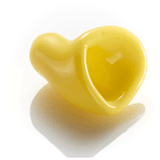
Reusable earplugs can offer a more consistent fit and a simpler routine. They are particularly useful for people who want a portable option for shopping centres, travel, hospitality venues, sporting events or other changing environments. A range of sizes is important because a poor fit can cause pressure, slipping or inadequate noise reduction.
Custom-moulded earplugs are made from impressions of the wearer’s ears. Their close fit can make them a strong choice for people who use hearing protection regularly, struggle to tolerate generic plugs or need a durable solution for a specific activity. They are also valuable where predictable fit matters, such as regular work in noisy settings or frequent attendance at live music venues.
Custom does not automatically mean better for every participant. Ear impressions, fitting appointments and the adjustment period may not suit everyone. Some people prefer the flexibility of a ready-to-wear reusable plug, particularly if their needs vary across settings. The right choice is the one that is comfortable enough to be worn consistently.
Sensory comfort is part of fit
A plug can look suitable on paper yet remain unused if it creates pressure, feels tacky, is difficult to insert or causes anxiety around the ears. Sensory preferences should be treated as a central part of selection, not an afterthought.
Consider the material feel, size, removal tab, cleaning routine and storage case. A person with reduced hand strength or fine-motor difficulty may need something easy to grip and clean. Someone who loses small items may benefit from a clear storage routine or a backup pair for essential outings.
Hygiene also matters. Reusable and custom earplugs need regular cleaning and a dry case to maintain comfort and longevity. Earplugs should not be shared, and anyone experiencing ear pain, discharge, infection or a sudden change in hearing should seek advice from an appropriate health professional before using them.
Evidence that can make a request clearer
If earplugs are being considered under an NDIS plan, clear supporting information can be more useful than a generic statement that the participant dislikes noise. The focus should be on the functional impact of sound and the expected benefit of a particular support.
A participant or their support network may document the regular environments involved, the barriers created by noise and how the proposed earplugs could help with goals such as community access, employment, study, independent living or social participation. Where appropriate, relevant allied health recommendations may explain why a particular design, fit or level of noise reduction is preferable.
Keep expectations realistic. Earplugs can help manage exposure and make certain settings more tolerable, but they cannot control every unpredictable sound or remove the need for other supports. Often they work best alongside planning ahead, taking breaks, choosing quieter times for errands and having an exit strategy for overwhelming environments.
A practical path to selecting earplugs
Start by matching the earplugs to the main setting where they will be used. Is the goal calmer shopping trips, more comfortable travel, better rest in shared accommodation or protection around loud equipment? Next, decide how much speech awareness is needed. Then assess comfort, durability and whether a generic or custom fit is more realistic for daily use.
Hearsafe Australia is a registered NDIS Provider and can help participants understand the hearing protection options available for sensory issues. Ear impressions for custom earplugs can be arranged nationally through partnered audiologists and registered nurses, with workplace fitting services also available where relevant.
For custom-moulded options, a proper fit is a long-term investment in comfort and consistent use. In workplace applications, acoustic leakage testing can also check the fit and seal of custom earplugs. This is not a hearing test. It assesses whether a custom plug is sealing effectively in the ear, which can be useful where dependable protection is required.
The most helpful next step is to identify the one noisy situation that most limits participation, then choose hearing protection around that real-world need. A comfortable pair that is worn when it matters can make a meaningful difference to confidence, routine and day-to-day independence.