



A grinder starts up before smoko, a loader reverses nearby, radios crackle and the workshop carries on. For the people on the floor, this is not occasional noise - it is their whole shift. Industrial noise compliance is about making sure that exposure is understood, controlled and properly managed before it becomes permanent hearing damage.
Hearing loss caused by noise is irreversible. It can also creep up quietly. A worker may not notice a change until conversation becomes harder to follow, tinnitus starts after work, or the TV volume steadily rises at home. Good compliance protects people, supports safer communication and gives employers confidence that hearing protection is doing the job it was selected to do.
Industrial noise compliance starts with exposure
Noise management is not simply a matter of putting a box of disposable foam plugs in the crib room. Australian workplaces have duties under work health and safety laws to identify noise hazards, assess risks where required and apply suitable controls. The detail can vary by state, territory, site and industry, but the principle is consistent: prevent or minimise harmful exposure as far as reasonably practicable.
A useful starting point is to find out where noise is coming from, who is exposed and for how long. Plant, compressors, saws, impact tools, generators, alarms, vehicles and processing lines can all contribute. The highest reading on a sound level meter matters, but so does duration. A short, extremely loud task and a full day around moderately loud equipment may both create a serious risk.
For many workplaces, a formal noise assessment or personal noise dosimetry provides the clearest picture. It helps safety managers identify peak noise, compare exposure across roles and avoid assumptions based on how loud an area feels. Workers should also be part of the conversation. They know which tasks leave their ears ringing, which plugs fall out under a helmet and where verbal instructions are difficult to hear.
Use the hierarchy of controls first
Hearing protection is essential in many industrial settings, but it is personal protective equipment. It should not be the first or only answer when the source of noise can be reduced.
Eliminating a noisy process is not always realistic, particularly on established sites. Still, practical changes can make a genuine difference: maintain worn bearings and mufflers, isolate vibrating machinery, fit acoustic enclosures, select quieter equipment when replacing plant, or schedule noisy work away from other crews. Separating workers from the source with distance, barriers or remote operation can also reduce exposure.
Administrative controls have a place, such as limiting time in a high-noise area or coordinating tasks to reduce the number of people exposed. However, they rely on procedures being followed every day. PPE remains critical where residual noise cannot be adequately controlled, and it needs to be selected with the same care as any other safety equipment.
The protection rating is only useful when it is worn
A hearing protector may have a strong laboratory rating, but real-world protection drops quickly when fit is poor or use is inconsistent. Removing earplugs for a quick chat, wearing them only when machinery is running, or inserting foam plugs too shallowly can leave workers exposed during the very periods that matter most.
In Australia, look for hearing protection certified to the relevant Australian Standard and choose an appropriate class or rating for the measured noise level. More attenuation is not automatically better. Overprotecting workers can make alarms, instructions and approaching vehicles harder to hear, which may create another safety issue. The right outcome is enough protection to reduce harmful sound while allowing workers to remain aware of their surroundings.
That balance depends on the task. A worker using high-noise cutting equipment may need a different solution from a forklift operator moving between noisy and quieter areas. Someone who needs to communicate with a team, hear a warning signal or wear a helmet, safety glasses and respirator needs protection that works with that entire setup.
Why comfort is a compliance issue
Workers do not avoid hearing protection because they do not understand the risk. Often, they avoid it because it hurts, causes pressure, becomes sweaty, interferes with other PPE or makes communication frustrating. If it sits unused in a pocket, it offers no protection at all.
Disposable foam plugs can be cost-effective for visitors, short-term work or situations where a fresh plug is needed. They also require correct rolling, insertion and expansion time. In busy workplaces, inconsistent technique is common, especially when fitting instruction is rushed.
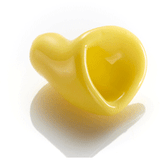
Reusable and custom-moulded earplugs can be a practical long-term option for regular wearers. A custom fit is shaped to the individual ear, which can improve comfort and retention across a full shift. Selected filtered options reduce noise while preserving clearer speech and environmental sound than solid plugs in some applications. They are particularly worth considering for workers who repeatedly remove standard plugs to communicate, or who have had poor results with one-size-fits-all products.
There is a trade-off. Custom protection requires ear impressions, a fitting process and a higher upfront investment. It is not a substitute for engineering controls or training. But when it encourages reliable all-shift use, is durable and can be cleaned and reused, it may deliver better compliance and less disposable waste over time.
Fit testing and training close the gap
A policy stating that hearing protection must be worn is not proof that workers are protected. Training should show people why noise matters, when protection is mandatory, how to fit it correctly, how to inspect it and when to replace it. It should also explain the site rules around communication, alarms and compatible PPE.
Fit testing adds another layer of certainty. It can demonstrate whether a particular earplug or earmuff provides adequate attenuation for the individual wearer, rather than relying solely on a package label. This is especially valuable for workers with unusual ear canals, facial hair affecting earmuff seals, prescription glasses, helmets or a history of discomfort with standard products.
Keep the process practical. Supervisors need to know what good fit looks like, workers need a straightforward way to request a replacement or alternative, and safety teams need records that show assessments, issue of PPE, instruction and review. The objective is not paperwork for its own sake. It is a system that catches problems before a worker decides protection is too uncomfortable to wear.
Do not overlook earmuff compatibility
Earmuffs can provide effective protection, especially for intermittent high-noise tasks and visitors who may not be trained to insert plugs. Their performance depends on a continuous seal around the ear. Glasses arms, hair, hoodies, hard-hat attachments and worn cushions can break that seal.
For very loud work, dual protection with plugs and earmuffs may be appropriate following a proper assessment. It should be planned rather than assumed. Workers still need to hear essential alerts, and the combined setup must be comfortable enough to use for the required duration.
Review when the work changes
Noise risk is not fixed. A new production line, different tooling, altered shift patterns, maintenance issues or a move to another work area can change exposure quickly. Review controls after changes, incidents, worker feedback or evidence that people are not wearing protection consistently.
Health monitoring can also help identify whether a noise control programme is performing as intended. Where workers are exposed to hazardous noise, audiometric testing may be required under the applicable rules. Even where it is not mandatory, monitoring hearing can support early intervention and reinforce the value of prevention.
For organisations managing multiple sites or varied roles, a workplace assessment and a choice of suitable certified options are often more effective than a single bulk purchase. Hearsafe Australia can assist with industrial hearing protection selection, ear impressions, on-site fittings in Perth and workplace quote requests for teams across Australia.
The best noise programme is one workers can actually follow: quieter equipment where possible, clear rules where it is not, and hearing protection that fits well enough to stay in place from the first tool switch-on to knock-off.
