

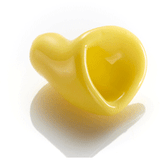




The noise that damages hearing is rarely a single dramatic moment. It is often the grinder used every shift, the PA beside the stage, wind roar inside a motorcycle helmet, or the machinery that is simply part of getting the job done. Effective hearing protection helps reduce that exposure before temporary ringing becomes a permanent change to how you hear.
Hearing damage caused by excessive noise is irreversible. That is why protection needs to be more than something you grab when a site supervisor reminds you, or a pair of foam plugs crushed into a pocket before a gig. The right option should suit the sound, the duration of exposure and the task in front of you - while being comfortable enough that you will actually wear it.
Hearing protection is not one-size-fits-all
A quiet office, a metal workshop, a music venue and a rifle range place very different demands on the ear. They also require different levels and types of protection. Choosing by appearance alone can leave you under-protected, uncomfortable or unable to communicate when it matters.
For workers, the key question is the noise level and how long you are exposed. High-noise tasks may require certified protection selected as part of a workplace noise-control plan. Employers should also consider how a protector works alongside hard hats, safety glasses, respirators and radios. A plug that creates pressure points under other PPE, or makes speech impossible to follow, is less likely to stay in place for an entire shift.
For music, the goal is different. Musicians, DJs, venue staff and regular gig-goers often need sound reduced more evenly, rather than simply muffled. Quality filtered earplugs can lower the overall level while preserving more of the clarity needed for conversation, timing and enjoyment. You should still step away from speakers and take listening breaks where possible. Earplugs are an essential control, not permission to stand beside the foldback all night.
Riders need protection from sustained wind noise, particularly on longer road trips. In this setting, comfort beneath a helmet is just as important as attenuation. For sleep, the priority is a low-profile plug that stays comfortable when you turn on your side. Swimming protection, meanwhile, is designed to help keep water out of the ear and is not a substitute for noise protection.
Start with the environment, not the product
The most useful way to choose hearing protection is to describe the situation clearly. Consider what noise you are around, whether it is constant or sudden, how long you will be exposed and whether you need to hear speech, alarms or music accurately.
A tradie using power tools for short jobs has different needs from a factory employee working beside machinery for eight hours. A drummer playing two sets a week has different needs from a light sleeper dealing with neighbourhood noise. The best solution is specific because the exposure is specific.
It also depends on whether your ears are a standard shape and whether you have struggled with fit before. Disposable foam plugs can be practical for occasional use, but their real-world performance depends heavily on correct insertion. Many people do not roll, insert and hold them long enough to achieve a proper seal. They can also feel intrusive, work loose with jaw movement and create substantial waste when used day after day.
Reusable and custom-moulded earplugs offer a different approach. Reusable options can suit regular users who want a more durable alternative to disposables. Custom earplugs are made from impressions of your ears, creating a personalised fit that can improve comfort, consistency and long-term wearability. For people who work in noise, play music regularly or wear plugs for extended periods, that difference can be significant.
Fit matters as much as the rating
A hearing protector can only do its job when it seals correctly. If it is loose, inserted poorly or displaced by a helmet, eyewear or movement, sound can leak around it. That is why the protection stated on packaging is not the whole story.
Look for products with an appropriate Australian Standards certification and follow the fitting instructions supplied with the product. For workplace use, selection should align with the site’s noise assessment and safety requirements. Safety managers should not assume that one style will work equally well for every employee, especially where workers have different ear shapes, communication requirements or PPE combinations.
Custom-moulded plugs can be particularly useful where fit is difficult to achieve with generic products. They are also available with purpose-specific filters for applications such as industrial work, music and motorsport. An ear impression appointment through a qualified partner is the starting point for a custom fit, with options available nationally.
For workplaces using custom earplugs, acoustic leakage testing can provide an added practical check on fit and seal. It assesses whether the earplug is sealing as intended, helping organisations identify issues before relying on the protector in a noisy environment. This is not a hearing test. It is a focused fit-and-seal service for custom-moulded hearing protection.
Do not confuse comfort with under-protection
People often remove earplugs because they feel uncomfortable, too isolated or difficult to use. That response is understandable, but it is a sign the product or fit may not suit the application. The answer is not to wear a plug halfway, cut it down or use less protection than the environment requires.
Instead, review what is causing the problem. Pressure can suggest a sizing or fit issue. Difficulty hearing colleagues may mean a filtered option is more suitable for the task. A plug that falls out while riding may need a different shape or a custom fit. If the sound is painfully loud even with protection in place, move away from the source where possible and speak with the person responsible for workplace safety or venue operations.
Protection should support safe participation in work and life. You may need to hear instructions, approaching vehicles, warning signals or a bandmate’s cue. The right product balances reduction with usable awareness, but it never removes the need for sensible noise controls around you.
Care keeps reusable protection working properly
Reusable and custom earplugs are a long-term investment, and routine care helps preserve their fit and hygiene. Clean them according to the manufacturer’s instructions, allow them to dry fully and store them in their protective case. Avoid leaving them loose in a toolbox, glovebox or the bottom of a gym bag where dirt, heat and damage can shorten their life.
Inspect plugs regularly for splits, hardening, damaged filters or changes in shape. If they no longer sit securely, feel noticeably different or are difficult to clean, it may be time to replace them or seek advice. Ears can also change over time, meaning a custom product that once fitted well may eventually need reassessment.
Never share earplugs, even if they look clean. Sharing can transfer bacteria and makes it impossible to know whether the fit is appropriate. For teams, individual issue, clear storage and simple cleaning guidance make compliance far easier to maintain.
Make prevention part of the routine
The best hearing protection is the protection you wear before the noise starts. Keep it with the gear you already reach for: in your work bag, helmet case, instrument kit or bedside drawer. If you only remember it after your ears are ringing, the exposure has already happened.
For employers, prevention works best when it is practical. Provide suitable options, explain why fit matters, make replacements easy to access and involve workers in selecting styles they can wear comfortably. For individuals, choose a solution built for your real environment rather than hoping a generic plug will cover every situation.
Whether you are on site, on stage, on the road or trying to sleep through a noisy night, choose hearing protection that you can wear consistently and confidently. Your future hearing is worth protecting now.
