

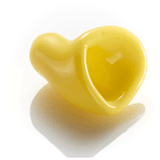




A pair of earplugs can look fine in your hand and still be past its best in your ears. So, do earplugs expire? Sometimes there is a printed expiry date, particularly on sealed disposable products, but the more useful question is whether the plug can still create a safe, comfortable seal for the job you need it to do.
Earplugs are not all made for the same lifespan. A foam plug used once on a noisy worksite has very different limits to custom-moulded earplugs worn by a musician, motorcyclist or shift worker for years. Material, storage, hygiene and how often you use them all matter. Replacing worn protection before it fails is a small decision that can help protect hearing that cannot be restored.
Do earplugs expire or simply wear out?
Disposable foam earplugs generally have a shelf life when unopened. Packaging protects the foam from heat, moisture, dust and contamination, and the manufacturer may print a use-by or expiry date on the box. Once opened and worn, however, their practical life is much shorter. Foam plugs are designed for single use or limited use, not for repeated cleaning and months in a pocket or toolbox.
Reusable and custom earplugs may not carry a conventional expiry date. Instead, they gradually wear out. Silicone, thermoplastic and other reusable materials can become harder, softer, warped, cracked or tacky over time. Filters, cords and handles can also deteriorate or become clogged. Even if the earplug itself looks intact, a change in shape may reduce the seal and lower the protection you rely on.
This does not mean every reusable plug needs replacing on a fixed anniversary. A carefully maintained custom pair can offer years of service. But longevity is not a reason to ignore condition, fit or hygiene. Earplugs that no longer fit correctly are no longer doing their full job.
Why earplug condition matters
Hearing damage from excessive noise is permanent. Earplugs work by reducing the sound reaching your ear, but their rated protection depends on correct insertion and a reliable seal. A small tear, flattened foam tip or distorted custom mould can create a leak that is easy to miss and significant in a loud environment.
Comfort matters too. If an earplug has become rough, sticky or uncomfortable, people tend to wear it less consistently or loosen it during the day. That is especially risky for workers moving between noisy tasks, riders dealing with wind noise, and musicians or venue staff exposed to long sets. The best hearing protection is the protection you can wear correctly for the whole exposure.
For workplace use, choose hearing protection appropriate for the noise level and task, with an SLC80 rating suited to your requirements. A plug that is certified on paper still needs to fit the wearer in real conditions. For teams using custom moulds, acoustic leakage testing can help check whether each earplug is achieving a proper fit and seal.
Signs it is time to replace your earplugs
Your senses are often the best first check. If your earplugs feel different, sound different or are harder to insert than usual, inspect them before the next shift, gig or ride.
Replace disposable foam earplugs when they are dirty, torn, no longer expand evenly, or do not slowly return to their original shape after being rolled. If they have been dropped on a dusty floor, carried loose in a pocket or used through sweat and heat, they are not worth stretching beyond their intended use.
With reusable earplugs, look for cracks, splits, discolouration that does not wash off, a sticky surface, hardened material or misshapen tips. If a filter is blocked, loose or damaged, replacement may be necessary even when the moulded body is still sound. Loss of one plug is another practical reason to replace the set, particularly where matched attenuation and comfort matter.
Custom earplugs deserve the same attention. Your ears can change with weight fluctuations, dental work, surgery, skin conditions and time. A pair that used to seal easily but now shifts while talking, chewing or moving your jaw may need assessment or replacement. Persistent discomfort, pressure points, whistling feedback or noticeably more noise getting through are not issues to ignore.
For swimmers, replace earplugs if water starts entering the ear, if the plug floats loose or if its surface has degraded. For sleep plugs, replacement is sensible when the material becomes difficult to clean or the fit no longer stays secure through the night. Hygiene is part of performance in both cases.
How long different earplugs usually last
There is no single replacement timetable because use conditions vary so much. A tradie working daily in heat, dust and perspiration will put more wear on reusable protection than someone wearing the same style on a monthly flight. Still, these general expectations help.
Disposable foam earplugs are best treated as short-term protection. Use a fresh pair whenever they are visibly soiled, damaged or unable to regain their shape. Keep unopened packs sealed, dry and away from excessive heat, and follow the manufacturer’s printed guidance.
Reusable universal-fit earplugs commonly last from months to a few years, depending on their material, cleaning routine and storage. They are a practical choice for regular use where a replaceable, easy-to-carry option is needed. Their lifespan shortens quickly when they are left on a ute dashboard, washed with harsh chemicals or stored loose with keys and tools.
Quality custom-moulded earplugs can last several years because they are shaped for your ears and made from durable materials. They remain a long-term investment only when cared for properly and checked when your fit changes. Custom protection is particularly valuable where comfort encourages all-day wear, or where clear communication and natural-sounding music matter alongside noise reduction.
Care can extend the life of reusable earplugs
A clean storage case and a simple routine make a real difference. Wipe or wash reusable plugs according to the manufacturer’s instructions, then allow them to dry fully before placing them in their case. Moisture trapped in a closed case can encourage odour, residue and material deterioration.
Avoid alcohol, solvents, hand sanitiser and household cleaning products unless the manufacturer specifically approves them. These can dry out or damage some earplug materials. Keep earplugs away from direct sun, extreme heat and sharp objects. The console of a hot car, a worksite window ledge and the bottom of an unprotected tool bag are poor storage choices.
Before each use, check that the plug is clean and intact. Then make sure it still seals as expected. For foam plugs, correct rolling and insertion are essential. For reusable and custom plugs, a gentle twist should seat the plug comfortably without needing force. If it will not stay in place, do not assume it is providing its rated protection.
Can you keep using earplugs after the printed expiry date?
For unopened disposable earplugs, the safest approach is to follow the manufacturer’s expiry date. The product may appear unchanged, but its material and packaging integrity cannot be guaranteed beyond that point. This is especially relevant for workplace stock kept in storage for long periods.
For reusable and custom earplugs without a printed expiry date, condition and fit are more meaningful than age alone. A well-kept pair may still be suitable after years of use. A damaged pair may need replacing much sooner. If you are uncertain, err on the side of reliable protection rather than trying to get a few more uses from equipment that no longer seals properly.
A better replacement habit for work and everyday noise
Make earplug checks part of the same routine as checking gloves, safety glasses or a helmet. Keep spare disposable plugs where you need them, such as your work bag, vehicle or gig case. Store reusable protection in its case as soon as you take it out, rather than leaving it exposed to dust and damage.
For employers, regular inspection and replacement of hearing protection supports safer habits across the team. Where workers use custom earplugs, fit and seal checks can provide useful confidence that the moulds remain effective in the ears they were made for. If a worker reports a poor fit, discomfort or changing noise exposure, address it early.
Your earplugs do not need a dramatic failure to become less useful. Replace them when their fit, cleanliness or condition gives you doubt, and choose protection designed for the noise and activity you face. For dependable long-term comfort, consider custom-moulded earplugs matched to your work, sleep, music or recreation needs.