

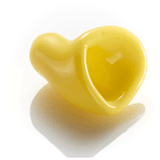




A hand dryer in a public bathroom, cutlery scraping plates at a cafe, an open-plan office, a crowded train platform: for many autistic people, these are not minor annoyances. They can be exhausting, painful or enough to derail the rest of the day. The right autism sensory earplug options can reduce that load without forcing someone to withdraw from every conversation, activity or community setting.
Earplugs are not a one-size-fits-all answer, and they are not a treatment for autism. They are a practical sensory support tool. The best choice depends on the sounds causing distress, how much speech needs to remain audible, whether the plugs will be worn for minutes or hours, and how the material feels in the ear.
What sensory earplugs are designed to do
Sensory earplugs reduce the intensity of incoming sound. Some are intended to take the harsh edge off everyday noise while keeping voices relatively clear. Others provide stronger attenuation for environments where noise is both overwhelming and potentially hazardous, such as workshops, events or transport hubs.
That distinction matters. A plug made for sleep may be wonderfully quiet but unsuitable for a workplace meeting. A music filter may make a busy venue more manageable while preserving more of the sound quality, but it may not provide enough protection for high-noise industrial work. The goal is not always silence. Often, it is making the environment feel more predictable, tolerable and easier to participate in.
For people who experience sensory overload, reducing sudden, sharp or layered sounds can also conserve energy. That can mean more capacity for shopping, travelling, studying, working or spending time with family afterwards.
Autism sensory earplug options by daily situation
Start with the setting rather than choosing the highest possible level of noise reduction. More attenuation is not automatically better if it leaves a person feeling disconnected, unable to hear instructions or less aware of traffic and other safety cues.
Reusable everyday earplugs
Reusable earplugs are often a sensible starting point for cafés, shopping centres, shared offices, public transport and social settings. Many are soft, compact and easy to keep in a pocket, bag or car. They suit people who want relief from background noise but still need to speak with colleagues, order a coffee or hear an announcement.
Comfort is the deciding factor here. If an earplug creates pressure, causes itching or feels intrusive, it is unlikely to be worn when it is needed most. A smaller, softer style may work better for someone sensitive to physical sensations, while others may prefer a firmer plug that feels secure and predictable.
Filtered earplugs for music, venues and busy spaces
Filtered earplugs are designed to lower sound more evenly than a basic solid plug. In practical terms, music and speech may sound more natural, rather than muffled and distant. This can be useful for autistic musicians, venue staff, gig-goers and anyone who enjoys live events but finds the volume, crowd noise or sharp frequencies difficult to manage.
A filtered option can also suit workplaces where communication is essential. However, any hearing protection used for occupational noise needs to be selected for the actual exposure and work task. Look for an appropriate rated SLC80 value where certified protection is required, rather than relying on vague claims about how quiet a plug feels.
Custom-moulded earplugs for regular wear
For people who wear earplugs frequently, custom-moulded protection can be a worthwhile long-term option. These earplugs are made from impressions of the individual ear, so they are shaped for a close and stable fit. This can reduce the common frustrations of off-the-shelf plugs: slipping out, pressure points, inconsistent seal and needing to constantly adjust them.
Custom earplugs can be fitted with different filter strengths depending on the intended setting. That makes them especially useful for adults who move between noisy work, commuting, social events and home life. They are also a practical choice where a person needs a familiar sensory tool they can rely on every day.
A good seal matters for both comfort and performance. Hearsafe Australia can arrange ear impressions nationally through partnered audiologists and registered nurses, with on-site fitting support available for relevant workplace needs in Perth and regional WA.
Sleep earplugs when sound interrupts rest
Sleep is often where noise sensitivity has the biggest knock-on effect. Neighbourhood noise, a partner’s snoring, traffic, pets or early-morning household sounds can turn a small disturbance into hours of broken sleep. Sleep earplugs are usually designed for softness and low-profile comfort, particularly for side sleepers.
They are best considered separately from daytime sensory plugs. A person who likes a filtered plug for the office may need a softer, more insulating design at night. It is also wise to consider safety routines, such as whether smoke alarms, a baby monitor or an urgent call can still be heard.
How to choose without creating new sensory problems
The most effective earplug is the one a person can tolerate and use consistently. That sounds simple, but sensory preferences can be highly specific. One person may dislike the feeling of silicone, while another finds foam expansion unbearable or dislikes the sensation of an ear canal being blocked.
Before committing to a regular-use option, consider the material, insertion style, pressure and how quickly the plug can be removed. Reusable plugs tend to provide a more consistent fit than disposable foam, but a custom option may be preferable when fit is difficult or daily use is expected.
It can help to trial earplugs during a low-pressure activity first, such as watching television at home or taking a short walk. Wearing them for a few minutes allows the user to notice physical comfort without also managing a crowded environment. Gradual familiarisation is often more successful than introducing earplugs for the first time in the middle of an overwhelming event.
For children or people who need support with inserting or removing earplugs, supervision and a calm routine are important. Earplugs should not be pushed deeply into the ear canal, and they should always be kept clean and stored in their case.
Hearing protection and situational awareness
Sensory support should not compromise safety. Avoid wearing strongly attenuating earplugs when you need to hear alarms, traffic, approaching vehicles, safety instructions or a person in your care. In a workplace, hearing protection must be appropriate for the noise risk and compatible with other personal protective equipment.
For workers who are autistic or have sensory sensitivities, the right protection can make compliance more achievable. Standard disposable plugs may be technically suitable but rejected because they are uncomfortable or difficult to insert correctly. A reusable or custom-moulded alternative may improve day-to-day wear, provided it meets the protection requirements of the role.
Employers should treat this as a practical fit issue, not a lack of willingness. Hearing damage is permanent, and poorly fitted protection may not deliver its intended performance. For custom earplugs, acoustic leakage testing can check the fit and seal using an ALT device, helping identify whether adjustments are needed.
Care keeps earplugs comfortable
Earwax, dust and moisture can quickly make reusable earplugs unpleasant to wear. Clean them as directed by the manufacturer, let them dry fully and store them in a protective case. Regular care helps prevent irritation, maintains the material and makes it easier to keep a trusted sensory tool ready for use.
Replace an earplug if it becomes damaged, hardened, difficult to clean or no longer fits securely. With custom earplugs, changes in comfort or seal are worth addressing early, particularly if they are used for workplace noise or frequent events.
A practical next step
There is no single best earplug for every autistic person. Some need a discreet reusable option for errands and commuting; others need filtered protection that keeps music enjoyable, or a custom fit that feels dependable through long workdays. The useful question is not simply, “How much noise can this block?” It is, “Will this help me take part in the places that matter, safely and comfortably?”
If you are choosing sensory earplugs for yourself, a family member, an NDIS participant or a workplace team, speak with Hearsafe Australia about a suitable reusable or custom-moulded hearing protection option.