

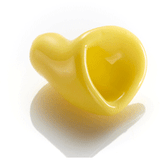




The set is loud, the crowd is louder, and you are standing close enough to feel the kick drum through the floor. That is exactly when concert earplugs Australia gig-goers can rely on make a real difference. The right pair takes the harmful edge off high sound levels without turning a live show into a muffled experience.
A ringing sensation after a gig is not simply part of a good night out. It can be a warning that your ears have been exposed to more noise than they can safely handle. Hearing damage is permanent, but protecting your hearing does not mean giving up the detail, energy or connection that makes live music worth seeing.
Why live music can be hard on your hearing
Concerts, festivals, clubs and rehearsal rooms can all reach sound levels that become unsafe far more quickly than most people expect. The closer you are to speakers, drum kits or stage monitors, the greater the exposure may be. Even a short set can matter when the volume is high enough.
Your inner ear contains delicate sensory cells that convert sound into signals your brain understands. Excessive noise can damage these cells. Once damaged, they do not grow back. This may lead to permanent hearing loss, persistent ringing known as tinnitus, or difficulty separating speech from background noise.
The risk is not limited to musicians. DJs, photographers, security staff, bar staff, production crews and regular gig-goers can all spend long periods in noisy venues. One loud night may leave your ears feeling dulled temporarily. Repeated exposure is where the long-term concern grows.
What makes concert earplugs different?
Basic foam earplugs are useful for some noisy situations, particularly when maximum noise reduction is the main goal. At a concert, though, they can make music sound boomy, distant or unclear. That is because foam plugs often reduce different frequencies unevenly.
Music earplugs are designed to reduce volume while preserving a more natural balance across low, mid and high frequencies. In practical terms, you can still hear vocals, guitar detail and conversation more clearly, just at a safer level. They are not silent earplugs. They are purpose-built filters for people who want to remain part of the experience.
This distinction matters when choosing concert earplugs in Australia. A plug that is excellent for a demolition site may not be the best option for a music venue. The goal at a gig is usually controlled sound reduction with clarity, comfort and a secure fit.
Filtered reusable plugs
Reusable filtered earplugs suit many occasional concertgoers, festival attendees and venue workers. They are typically made from soft, washable materials and contain acoustic filters that lower sound levels more evenly than basic foam.
They are a practical starting point if you want a compact, affordable option that can live in your bag, jacket pocket or car. Fit still matters. If a reusable plug feels loose, painful or difficult to insert, it is less likely to be worn consistently - and protection only works when it is in your ears.
Custom-moulded music earplugs
Custom earplugs are made from impressions of your ears, creating a fit that follows your individual ear canal shape. For musicians, frequent concertgoers, DJs and people working long shifts in venues, this can be a worthwhile long-term investment.
Custom-moulded filtered earplugs are particularly valuable where comfort is non-negotiable. They are less likely to move when you sing, talk, chew or wear headphones, and they can be worn for extended periods without the pressure points common with poorly fitting universal plugs. Many systems also allow different filters to be selected for different noise environments.
The trade-off is cost and the need for a professional fitting process. But when you use hearing protection every week, a durable custom solution can offer better value than continually replacing disposable products or tolerating plugs you do not enjoy wearing.
How much sound reduction do you need?
More protection is not automatically better for music. If earplugs reduce too much sound, you may remove them to talk to friends or hear the performance properly. That creates a cycle of inconsistent protection.
The best filter strength depends on the venue, your position, how long you will be there and your own sound sensitivity. A small acoustic set requires a different approach from standing beside a speaker stack at an all-day outdoor festival. Musicians and crew should also consider their regular exposure across rehearsals, performances, travel and other noisy work.
Look for hearing protection with a clearly stated attenuation rating and ensure it is appropriate for the intended use. Products tested to relevant Australian or international standards provide more confidence than unverified novelty plugs. A rating is a guide rather than a guarantee, because the real-world result depends heavily on fit and correct insertion.
If you already experience tinnitus, sound sensitivity or suspected hearing loss, it is sensible to seek advice from an audiologist. Earplugs can be an important protective measure, but they do not replace assessment where symptoms are ongoing or worsening.
Choosing concert earplugs Australia music lovers will wear
Start with your actual routine rather than the loudest event you can imagine. Someone who attends two arena shows a year may be well served by a quality reusable filtered plug. A touring musician or bartender working several late nights each week may benefit from custom protection that remains comfortable through every set.
Consider whether you need to communicate while wearing them. Stage crew may need to hear instructions. Musicians need enough detail to perform confidently. Festivalgoers may want to speak to friends without constantly taking their earplugs out. Filtered designs are generally the stronger choice in these situations.
Think about fit, too. Universal earplugs come in different tip sizes, and the correct size should create a gentle seal without soreness. They should not fall out when you move your jaw. Custom earplugs remove much of the guesswork, but they still need proper care and occasional inspection to maintain their fit and performance.
For parents bringing teenagers to concerts, reusable filtered plugs can be a practical introduction to hearing protection. Choose a comfortable design, explain why they matter before the event and encourage them to put the plugs in before entering the loud area. Waiting until the music feels painfully loud is waiting too long.
Wear them before the first song
The easiest mistake is putting earplugs in only once your ears feel overwhelmed. By then, exposure has already begun. Insert them before you enter the venue or before the support act starts, then leave them in for the duration of the loud environment.
With reusable plugs, follow the manufacturer’s fitting instructions carefully. A partial seal can dramatically reduce protection. Keep a clean carry case with you so you are not tempted to put plugs loose in a pocket or handbag, where they can collect lint and dirt.
Avoid modifying earplugs, sharing them or inserting damaged products. Clean reusable and custom plugs as directed, allow them to dry fully and check filters, tips and cords regularly. Replace worn components promptly. Good maintenance protects both hygiene and acoustic performance.
Protect the part of music you cannot replace
Hearing your favourite band clearly at 25, 45 or 65 is not something to leave to chance. Quality music earplugs let you enjoy the volume, atmosphere and emotion of live performance while taking a sensible step against permanent noise damage.
For regular exposure, personalised advice and a proper fit are worth seeking. Hearsafe Australia can help match filtered reusable or custom-moulded protection to the way you listen, work and perform - so the memories from a great gig last longer than the ringing afterwards.
